
House Demolition
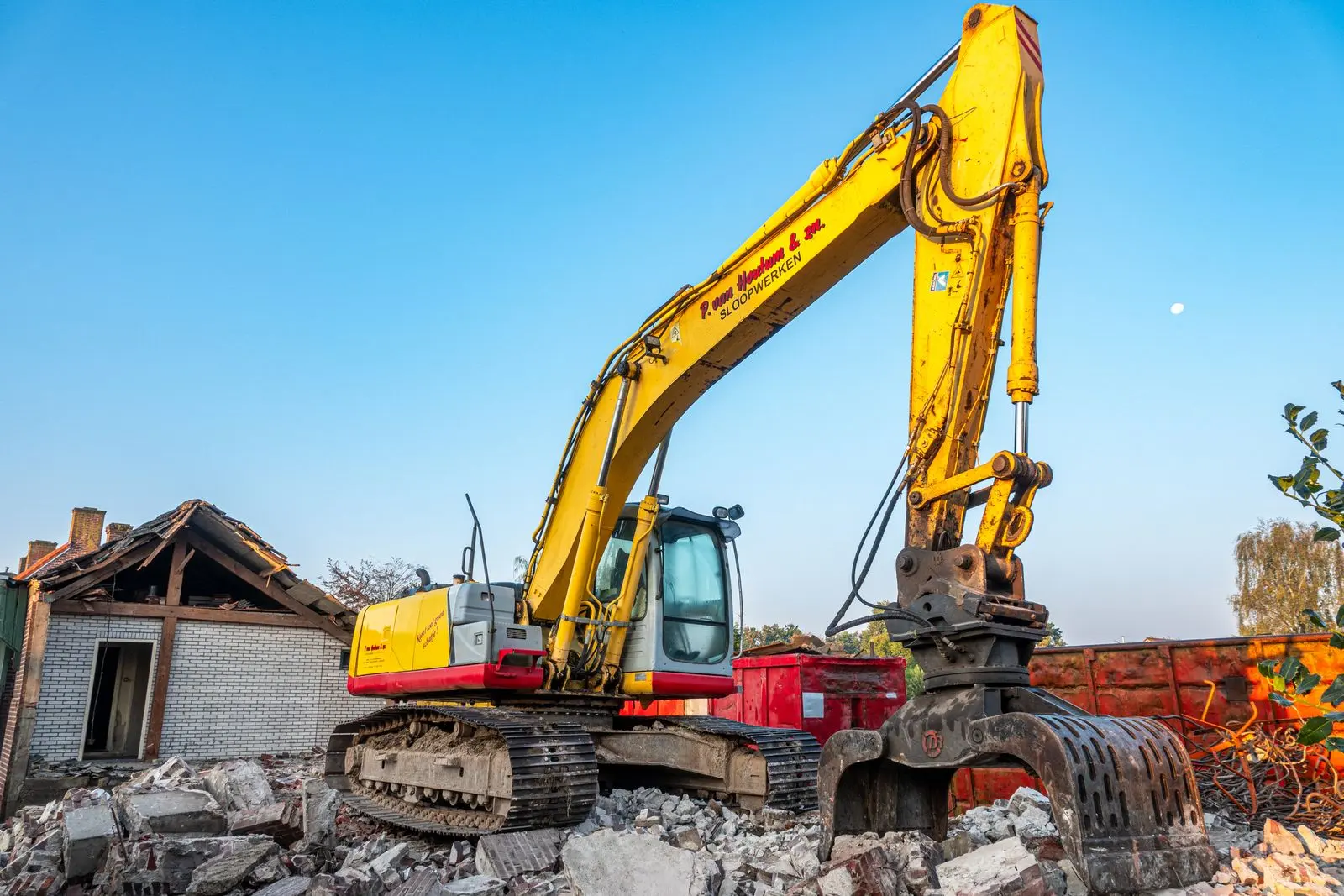
Full house teardowns run as deconstruction under Palo Alto's ordinance, from salvage survey and CPAU disconnects to slab removal and a graded lot.
House Demolition detailsDemolition contractor for Palo Alto and Santa Clara County
Request a demolition quote →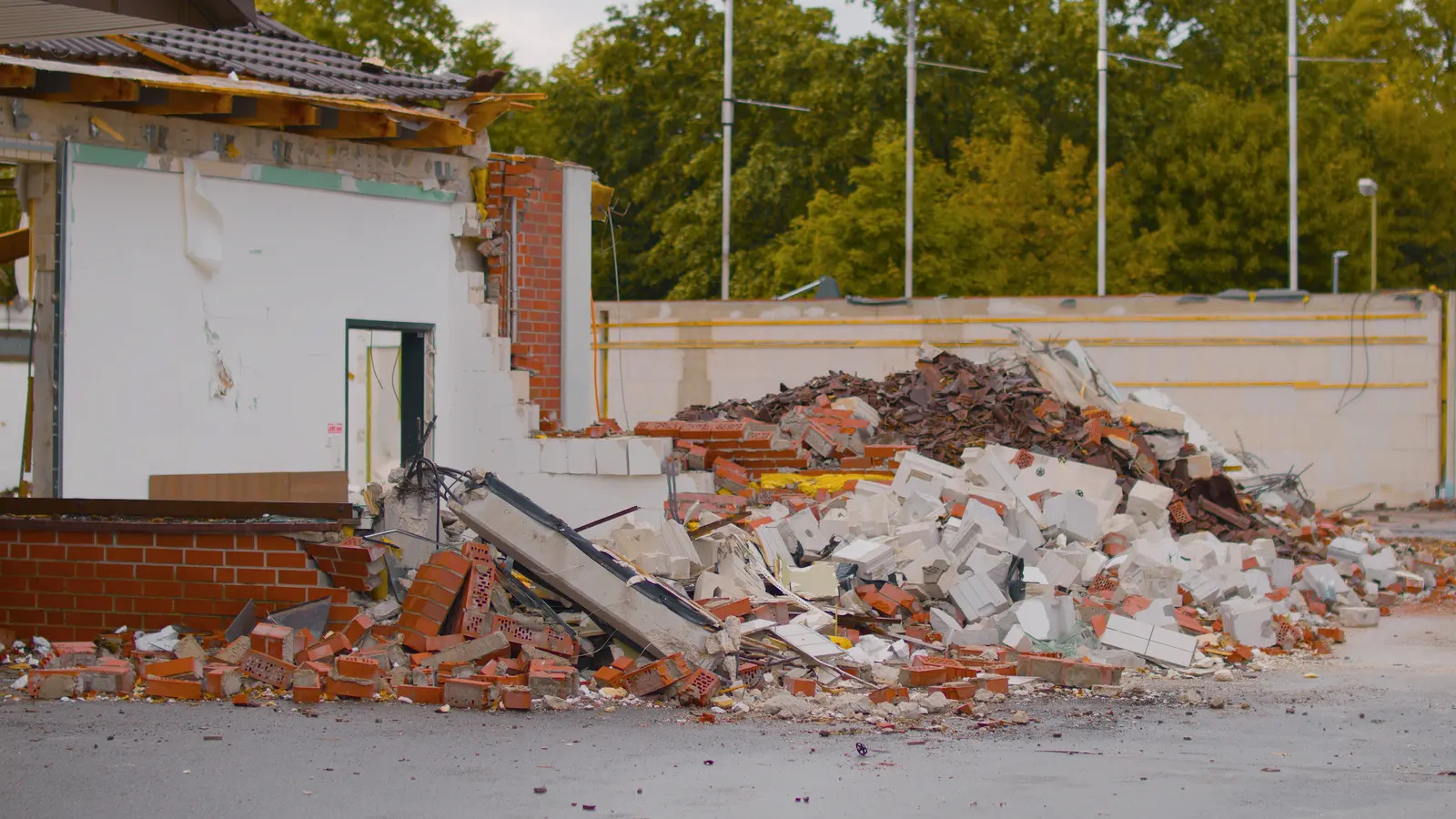
Palo Alto demolition and deconstruction
Palo Alto Demolition Pros takes buildings apart the way Palo Alto requires: salvage first, materials sorted, paperwork kept. Houses, garages, pools, kitchens, offices and parking lots, from Crescent Park to the foothills.
Demolition services in Palo Alto
We take on residential, commercial and site work across Palo Alto and Los Altos Hills. Each service follows the city's salvage, sorting and permit rules where they apply, and each starts with a walkthrough so the scope fits the building and lot in front of us.
Full house teardowns run as deconstruction under Palo Alto's ordinance, from salvage survey and CPAU disconnects to slab removal and a graded lot.
House Demolition details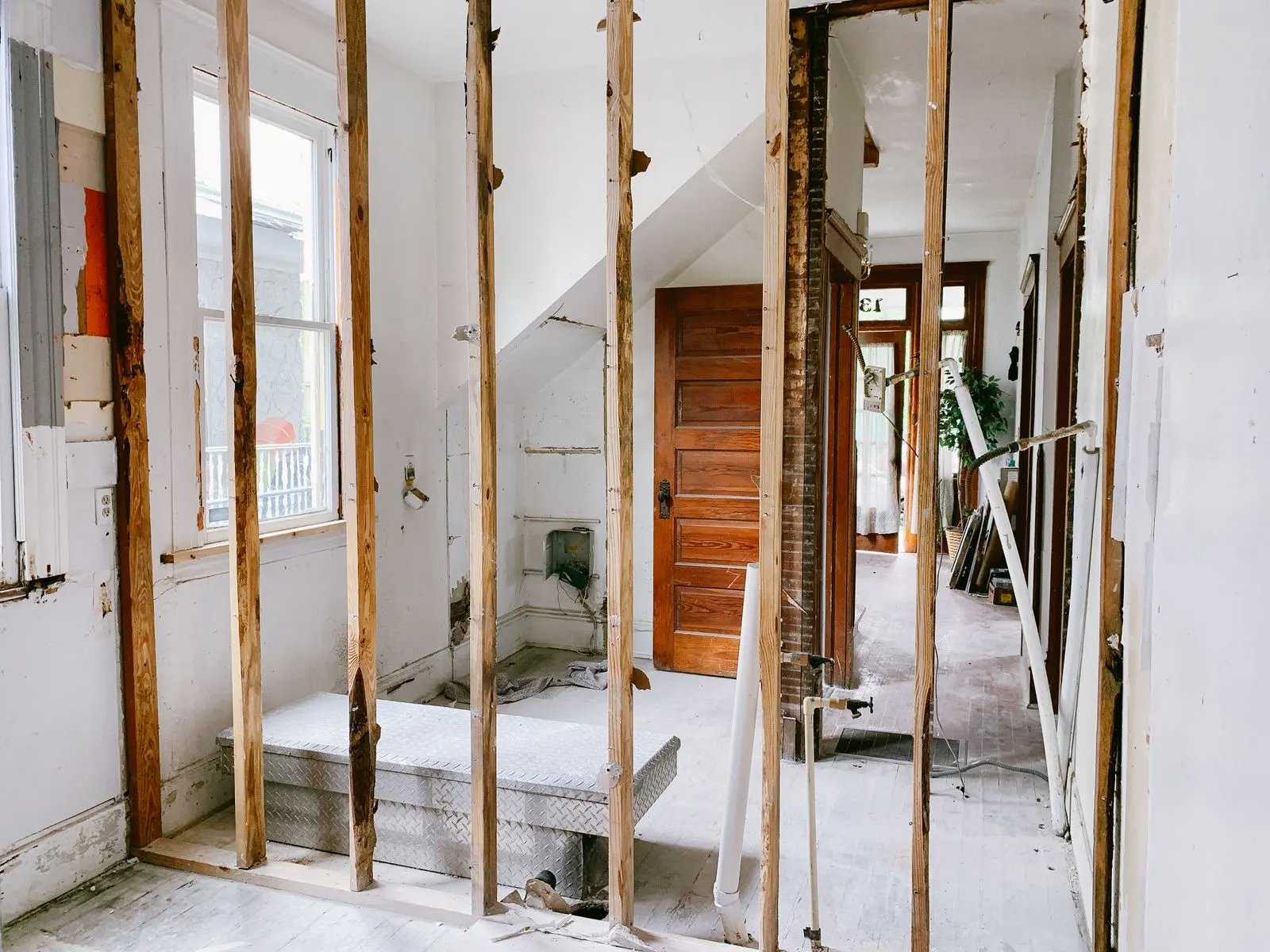
Gut remodels in plaster-walled pre-war homes and post-and-beam Eichlers, stripped to studs and slab with dust contained.
Interior Demolition details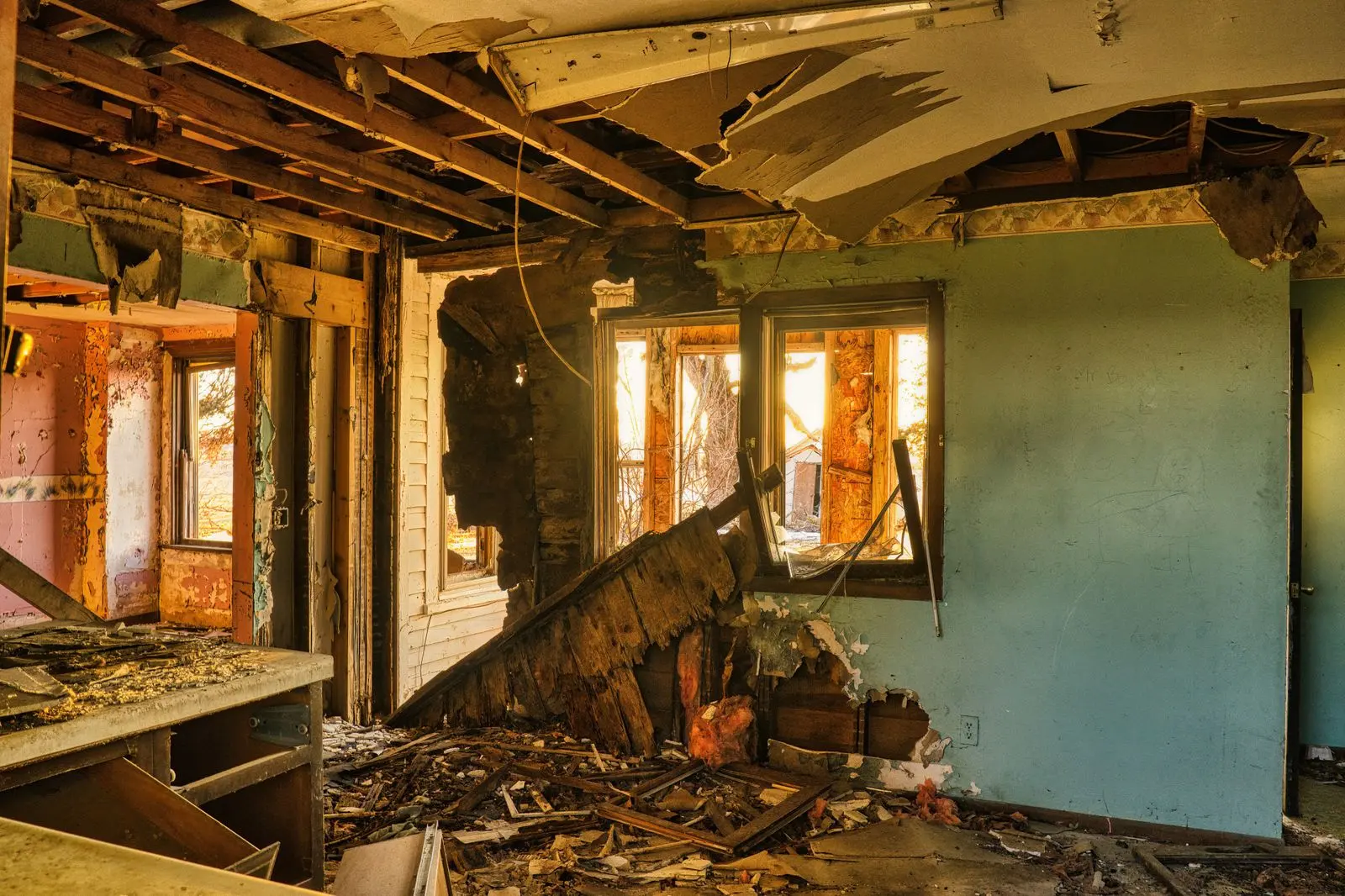
Cabinets, counters, tile and appliances removed for remodels, with reusable cabinets and appliances saved for donation.
Kitchen Demolition details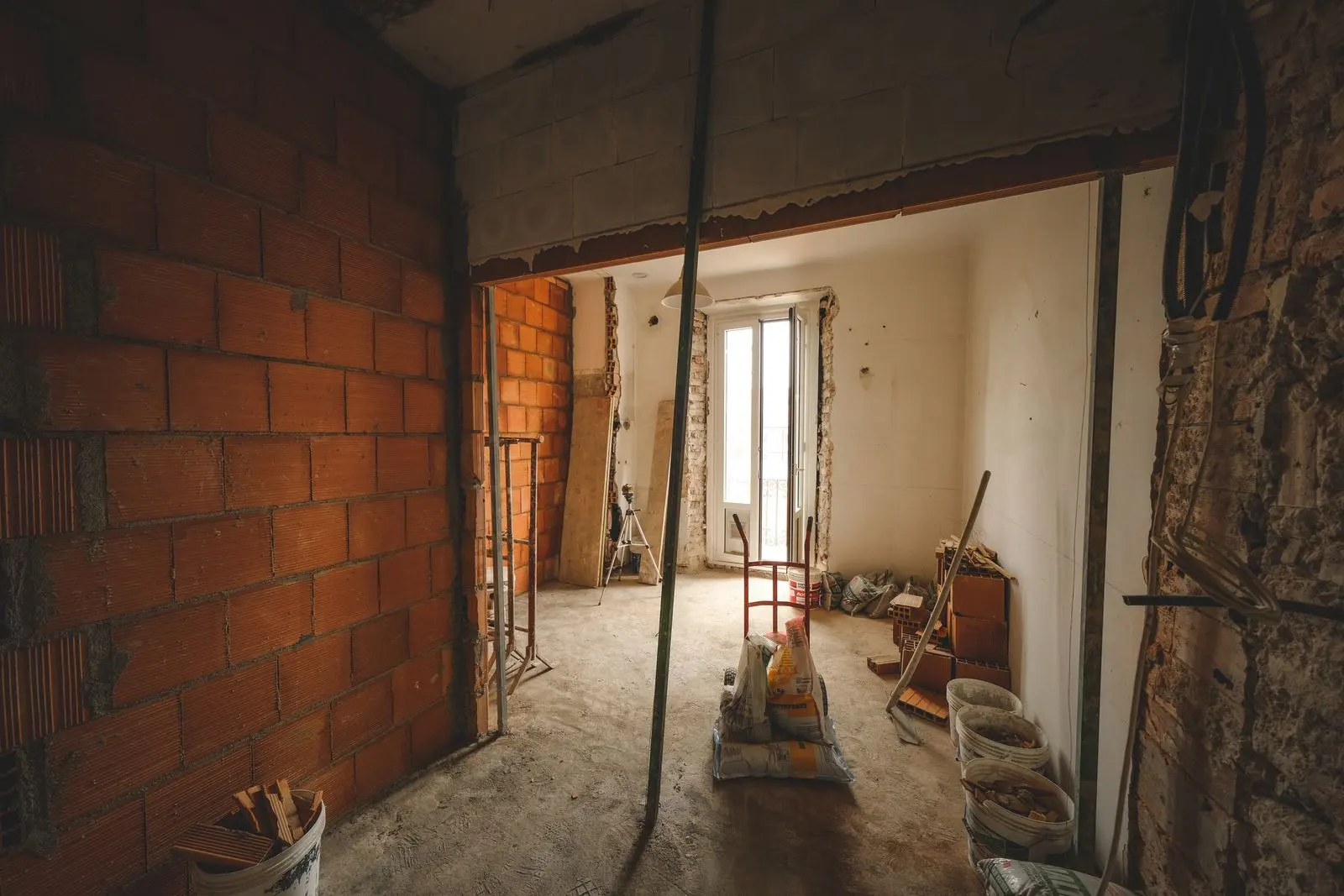
Mortar-bed tile, cast iron tubs and old fixtures removed, with Eichler slab cuts made only where radiant pipes are marked.
Bathroom Demolition details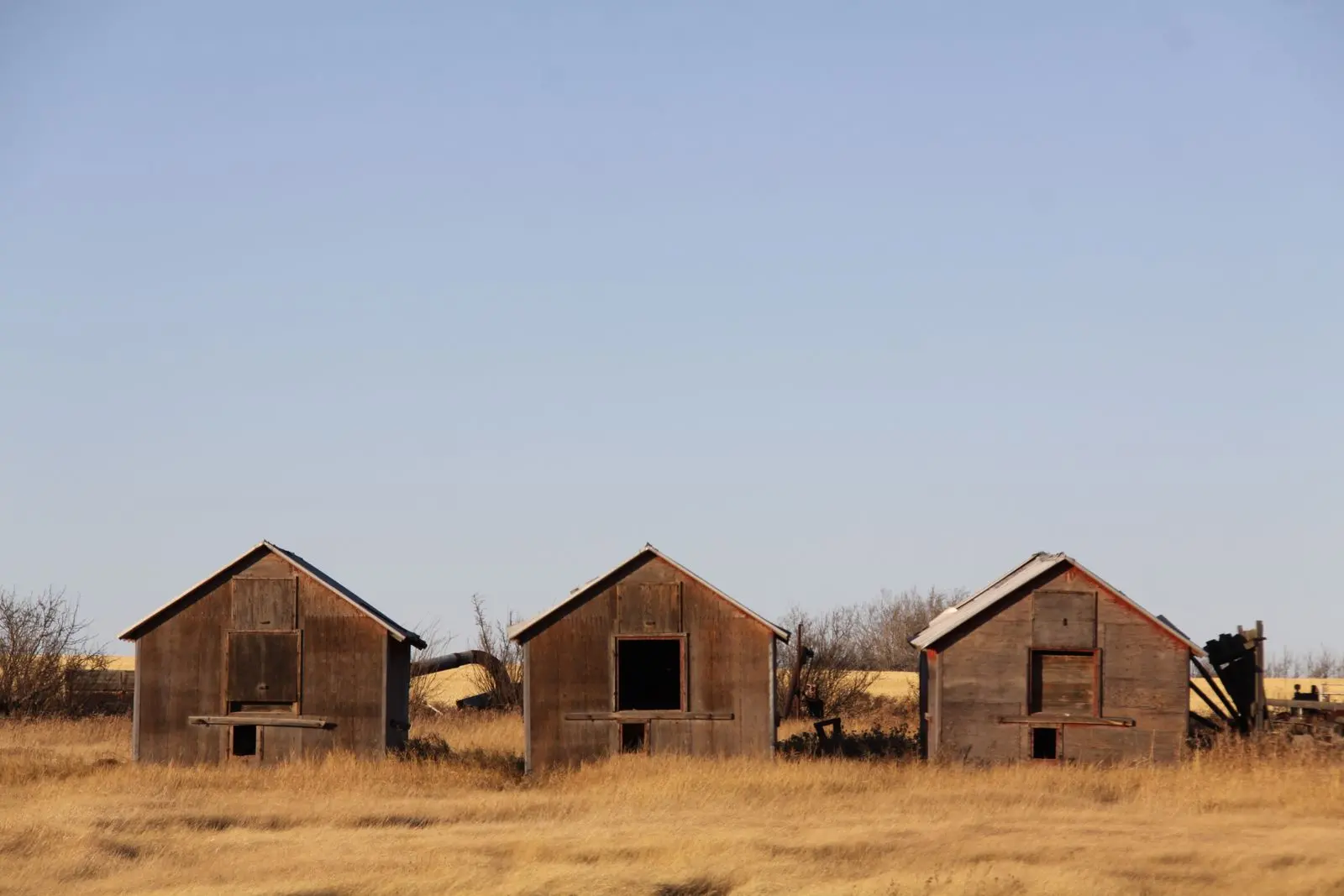
Detached garages removed for ADUs, plus sheds, carports and Los Altos Hills barns, slabs and footings included.
Garages and Sheds details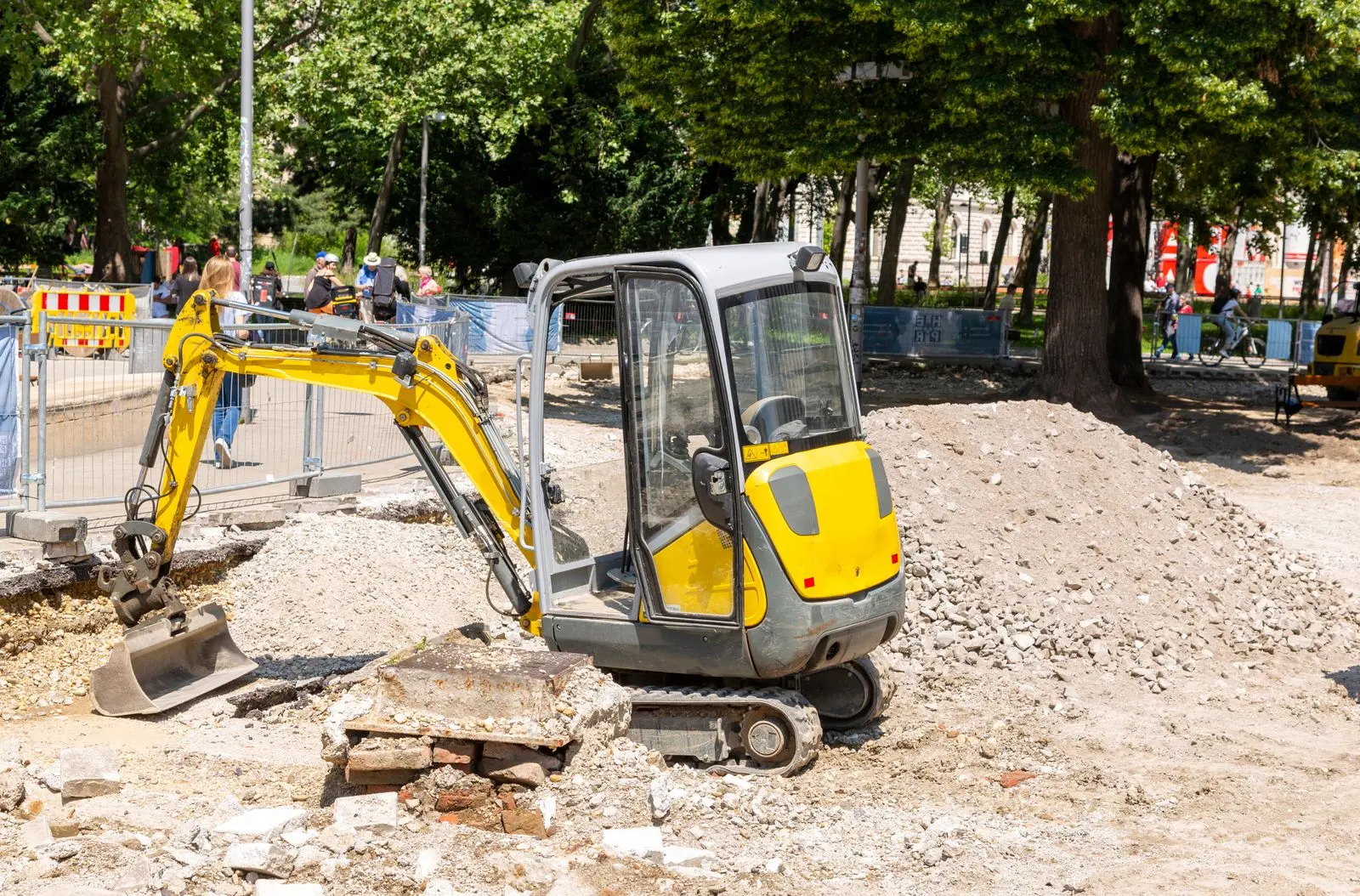
Old gunite pools broken out, either just the top of the shell or all of it, then backfilled in compacted lifts and tested when the spot may be built on.
Pool Removal details
Driveways, patios, slabs, basement walls and hillside retaining walls broken out and recycled, with tree roots protected.
Concrete Removal details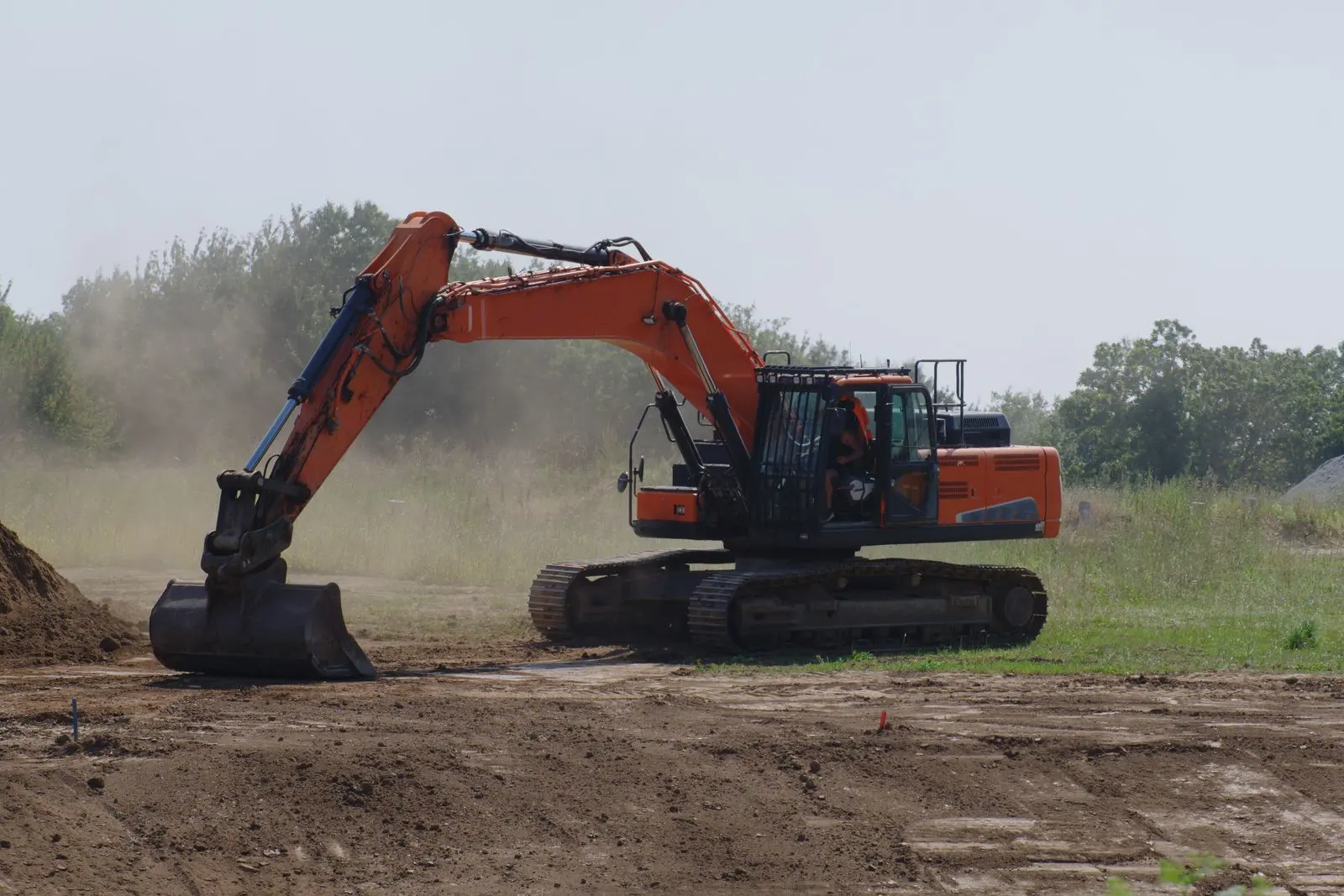
Office, R&D, retail and restaurant buildings deconstructed under city rules, with abatement and decommissioning sequenced first.
Commercial Demolition details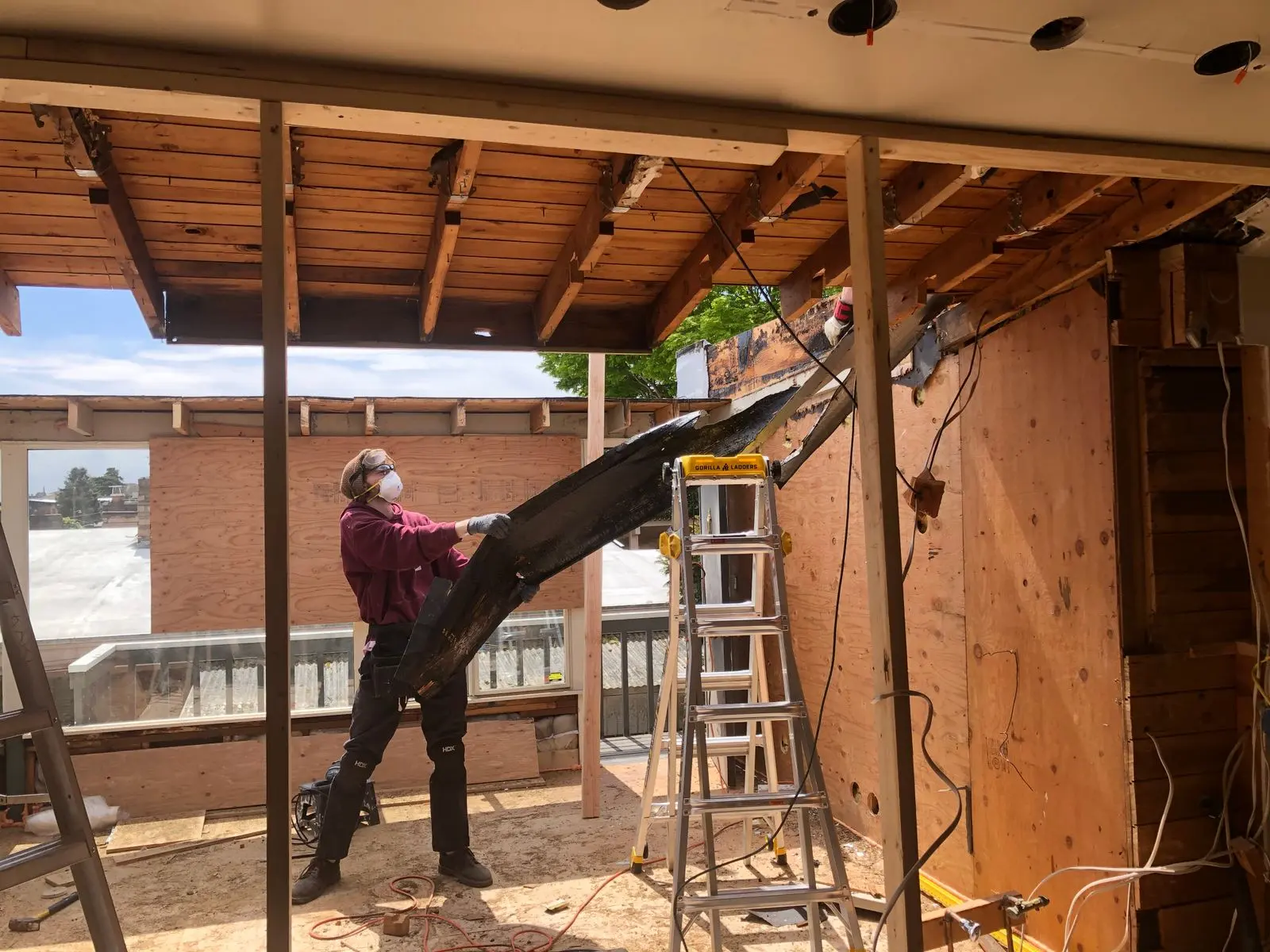
Tenant strip-outs for offices, restaurants and labs, from University Avenue suites to Research Park buildings.
Commercial Strip-Outs details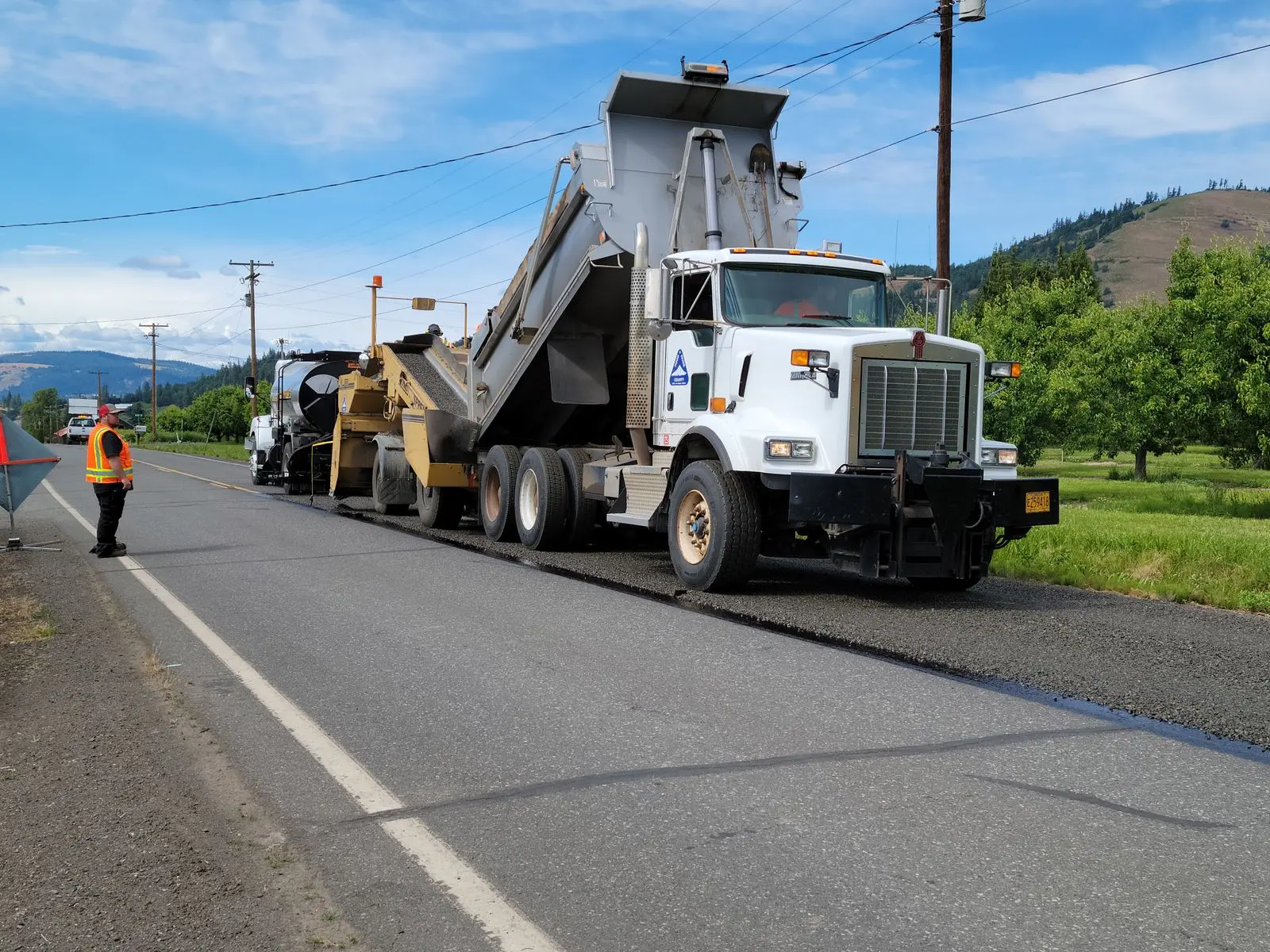
Parking lots and long hillside driveways ground or broken out and sent to recycling as base material.
Asphalt Removal details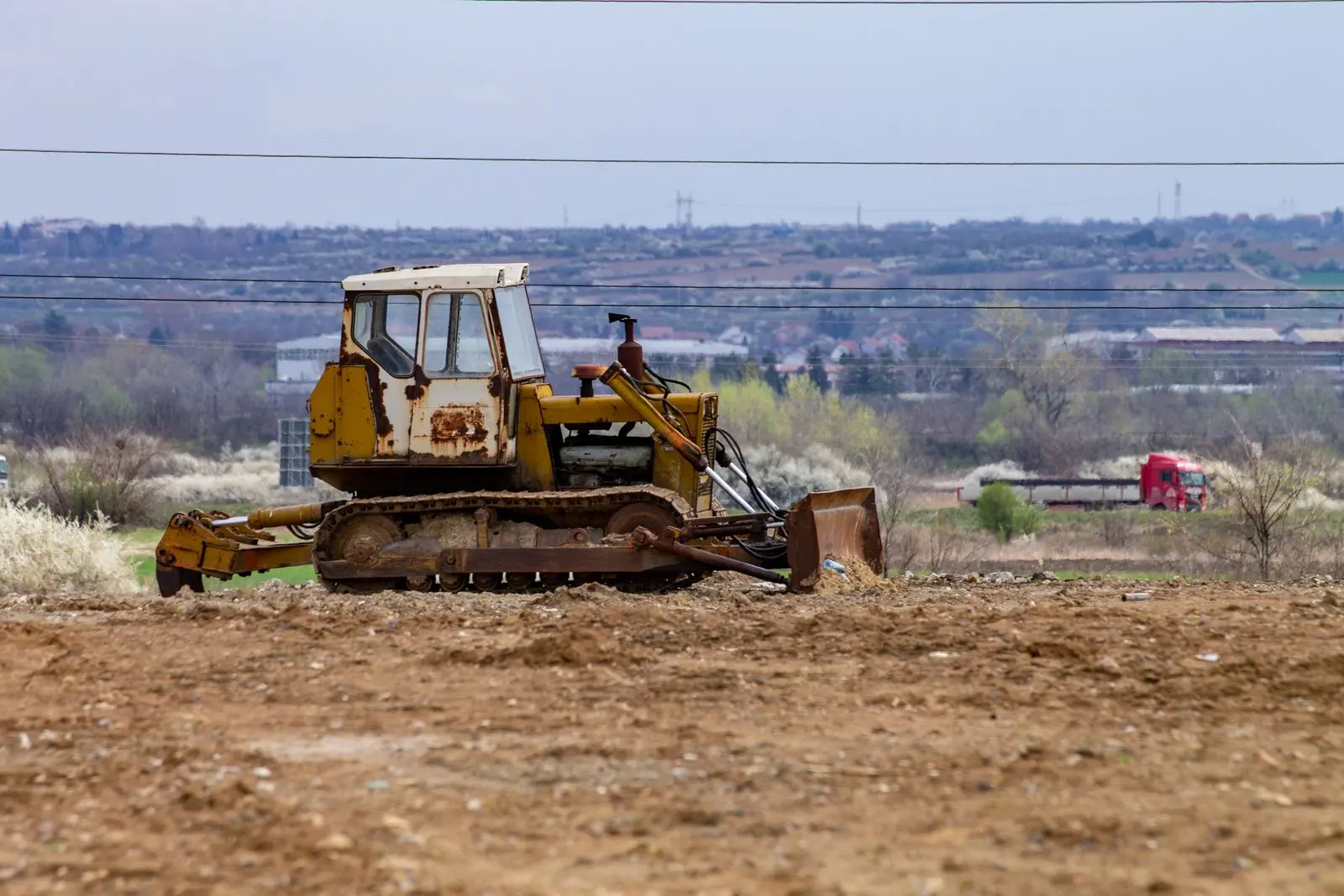
Brush, stumps, old hardscape and buried debris cleared around protected trees, then rough grading and erosion control.
Lot Clearing details
Debris from our own jobs and others' remodels, hauled by material type to approved recyclers with weight tickets the city can audit.
Debris Removal details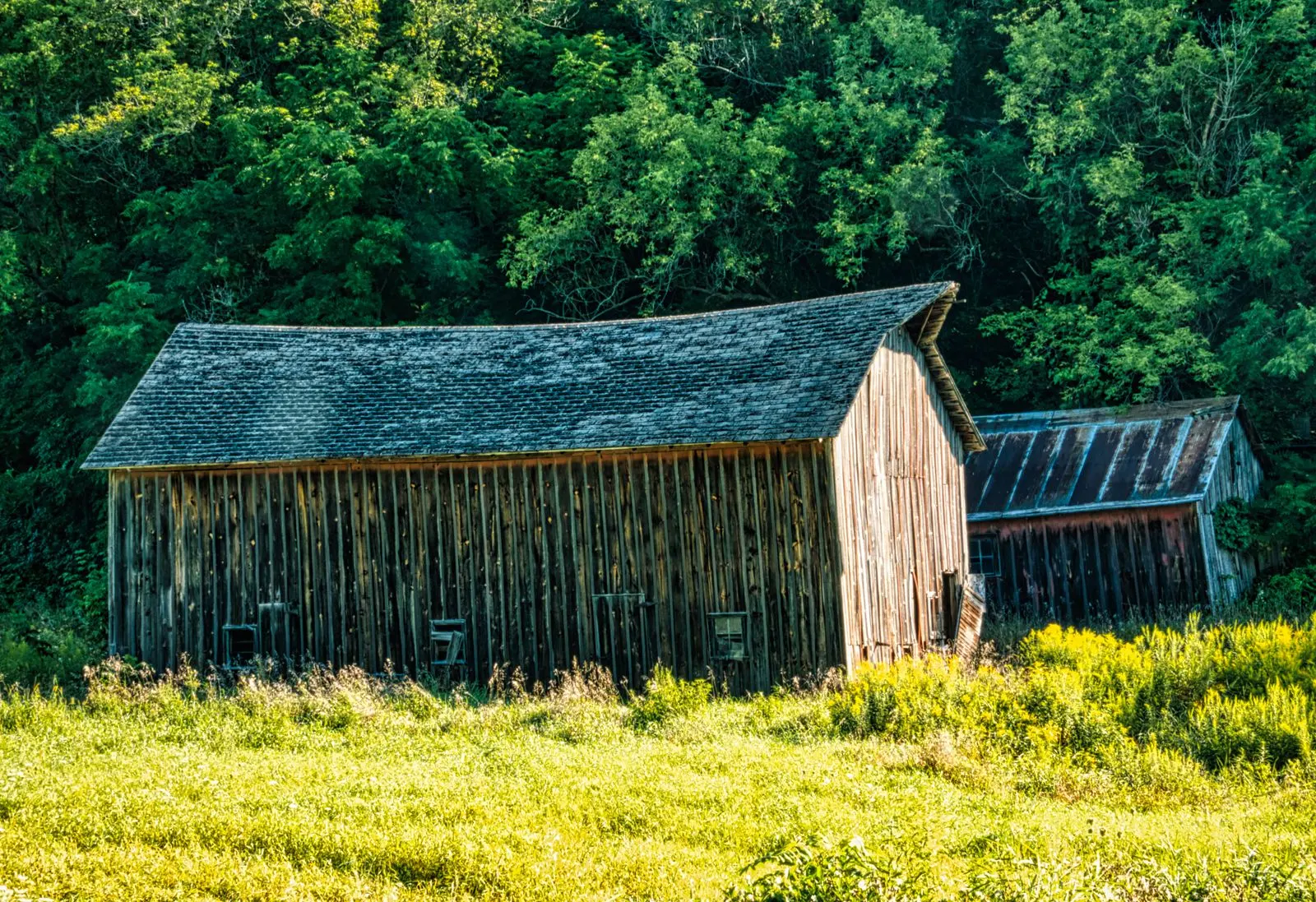
Hand dismantling with salvage for reuse, the method Palo Alto requires for most whole-building removals.
Deconstruction detailsDescribe what has to come down or come out in Palo Alto. We will reach out, ask the right questions and put a scope and quote together.
Palo Alto demolition contractor
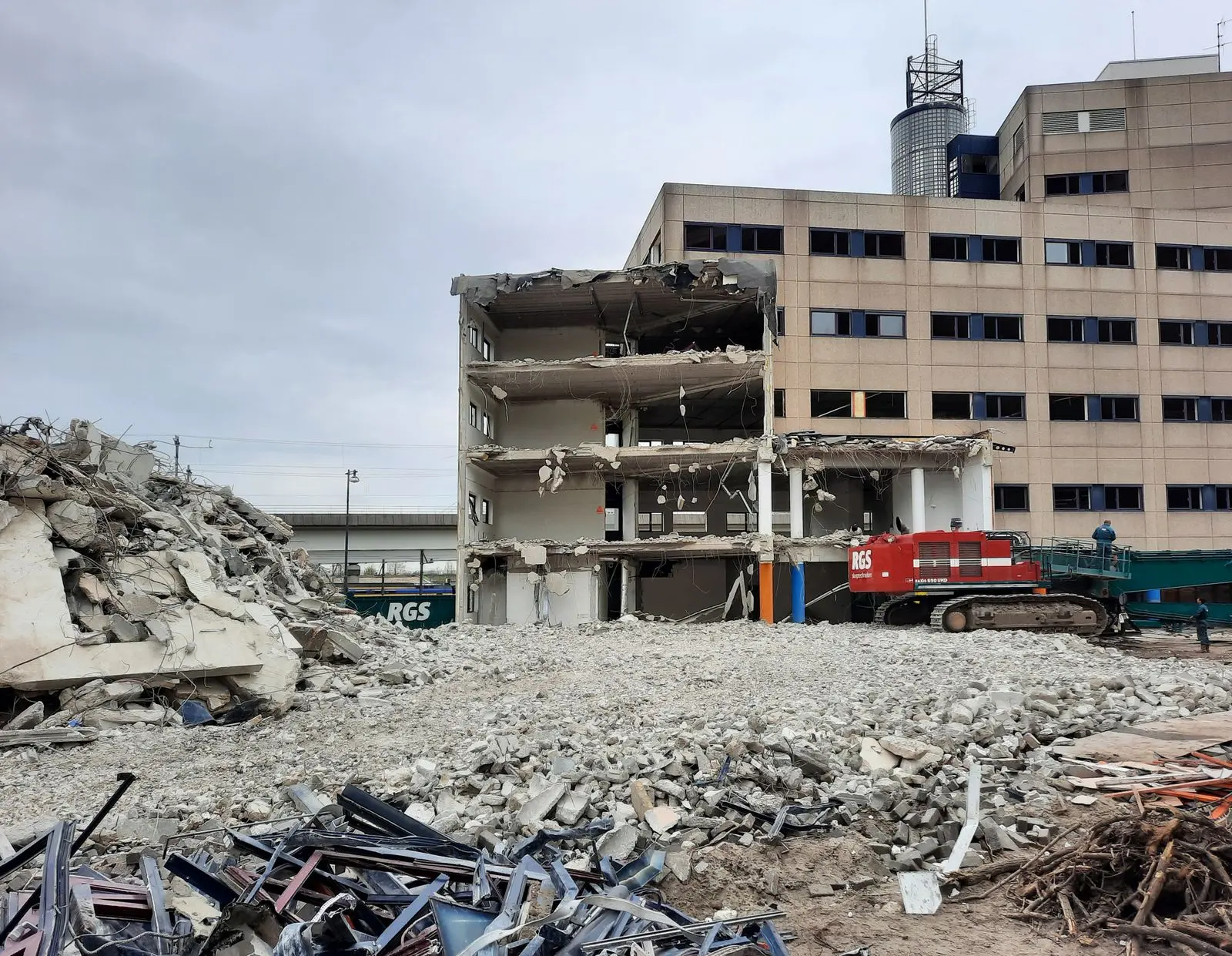
We are a demolition and site-work crew that knows Palo Alto's rules because we work under them all the time. Most of our jobs here are house teardowns that the city treats as deconstruction, remodel tear-outs in older homes and Eichlers, and strip-outs of offices, shops and restaurants between tenants. We also remove pools, garages, driveways, parking lots and brush, and haul the debris to approved recyclers.
We also take jobs elsewhere in Santa Clara County and down into San Benito and Monterey Counties, but Palo Alto has its own way of doing things. Salvage surveys, City of Palo Alto Utilities disconnects, strict tree protection and historic review all shape how a job runs here, and we plan for them from the first visit.
Typical demolition jobs
Every Palo Alto neighborhood brings its own kind of demolition work. These are the job types that come up most in four of them, and why the buildings and lots there lead to that work.
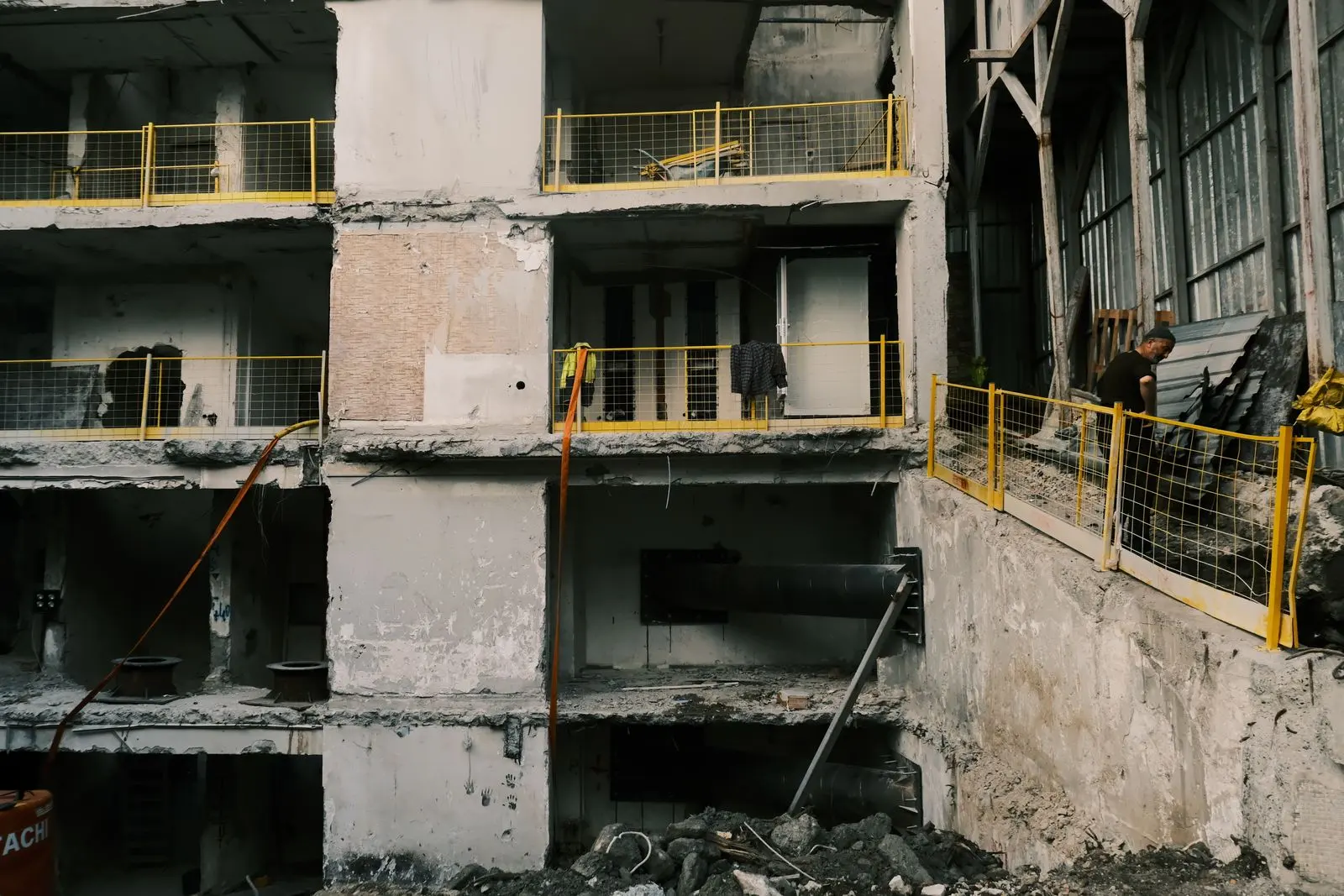
Large period houses on wide lots are being replaced with new homes that have full basements. The old house usually has old-growth framing worth salvaging, a partial basement or crawlspace, brick chimneys and big protected oaks that shape equipment routes.
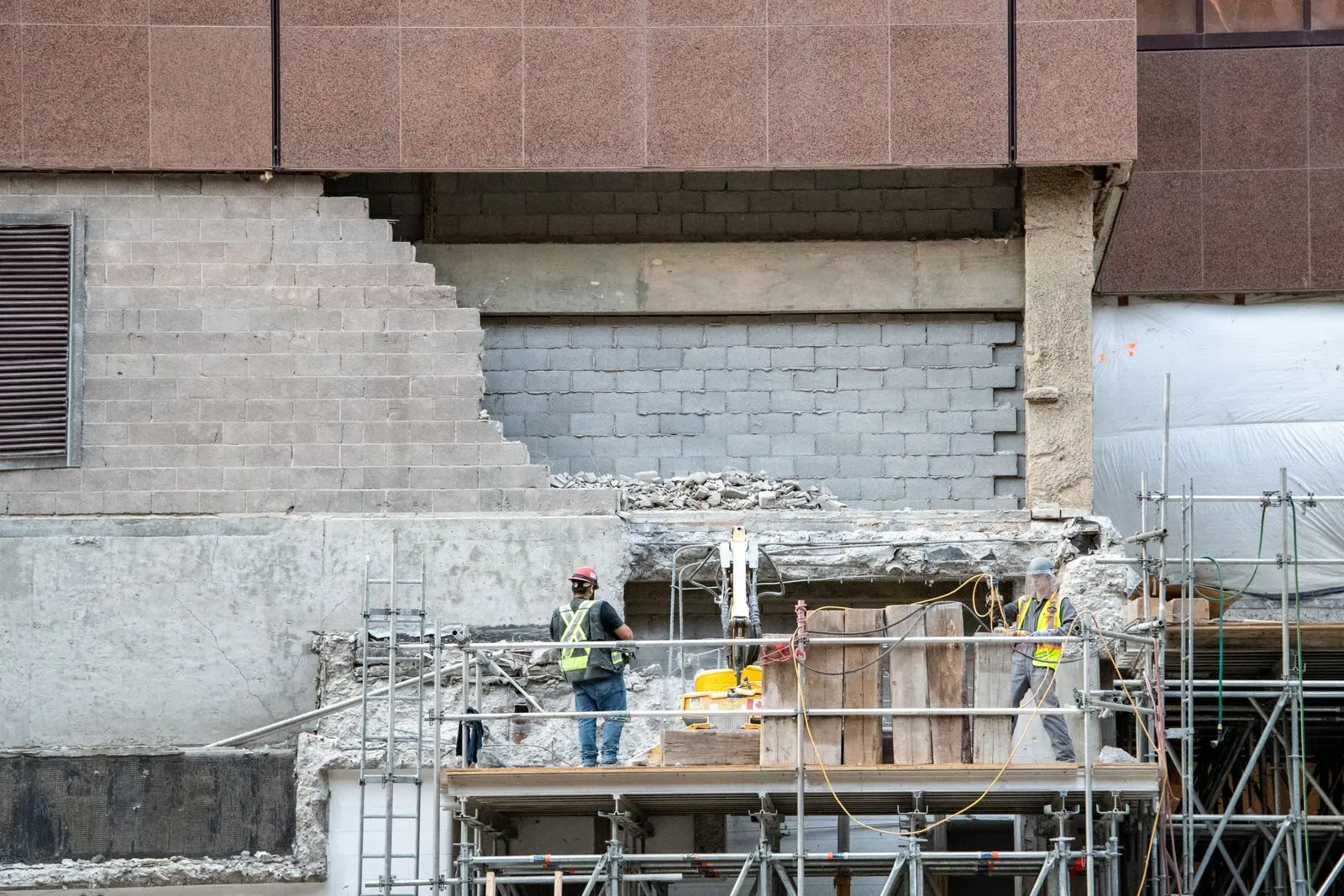
In this historic Eichler tract, most owners restore rather than replace. Remodels open kitchens and baths while keeping beams, decking and glass walls, which means hand tools, radiant pipe located before any floor work and asbestos testing of old tile.
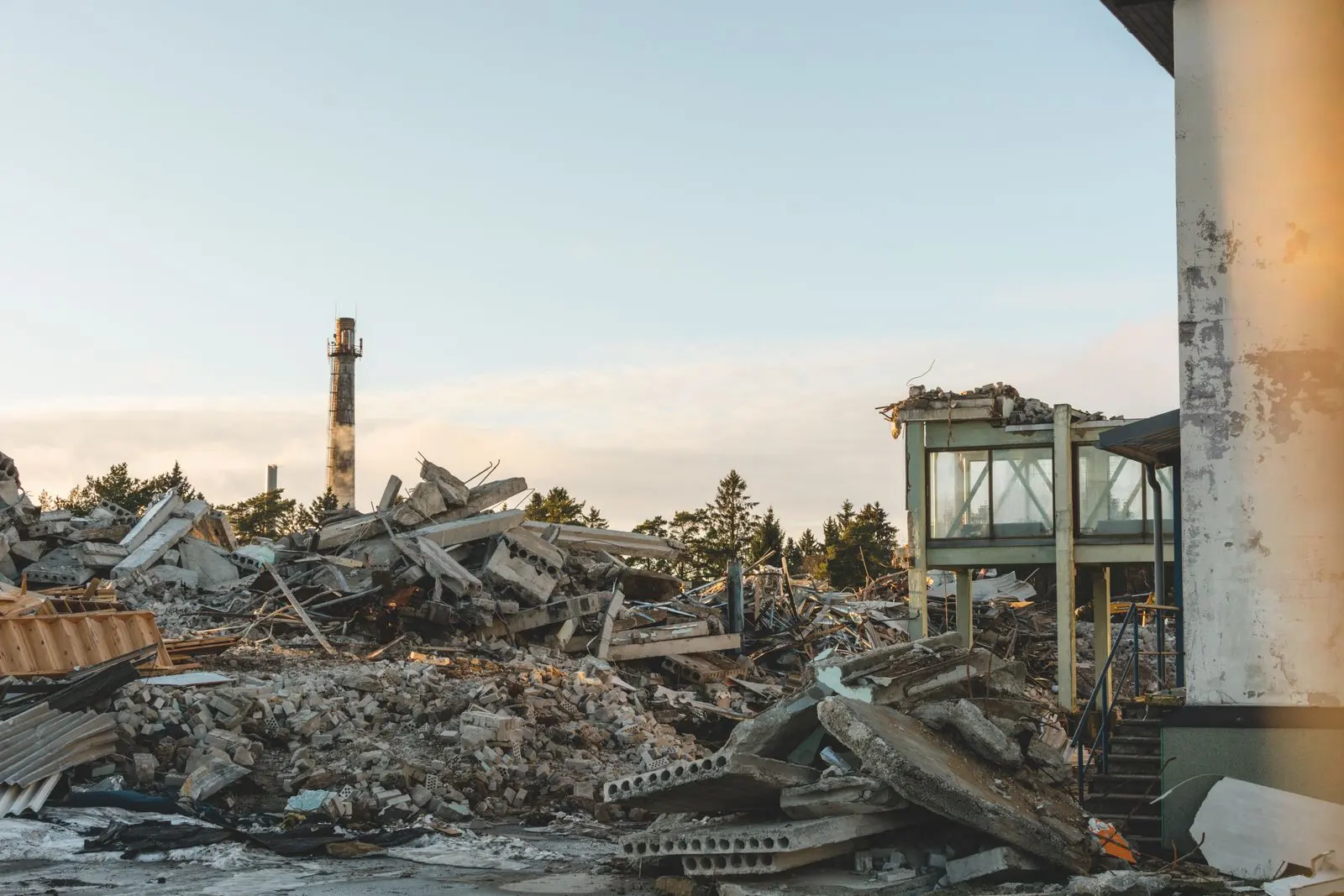
Rebuilds on flood-zone lots near San Francisquito Creek often need raised floors, so the old slab and footings come out entirely and the lot is regraded for the new elevation.
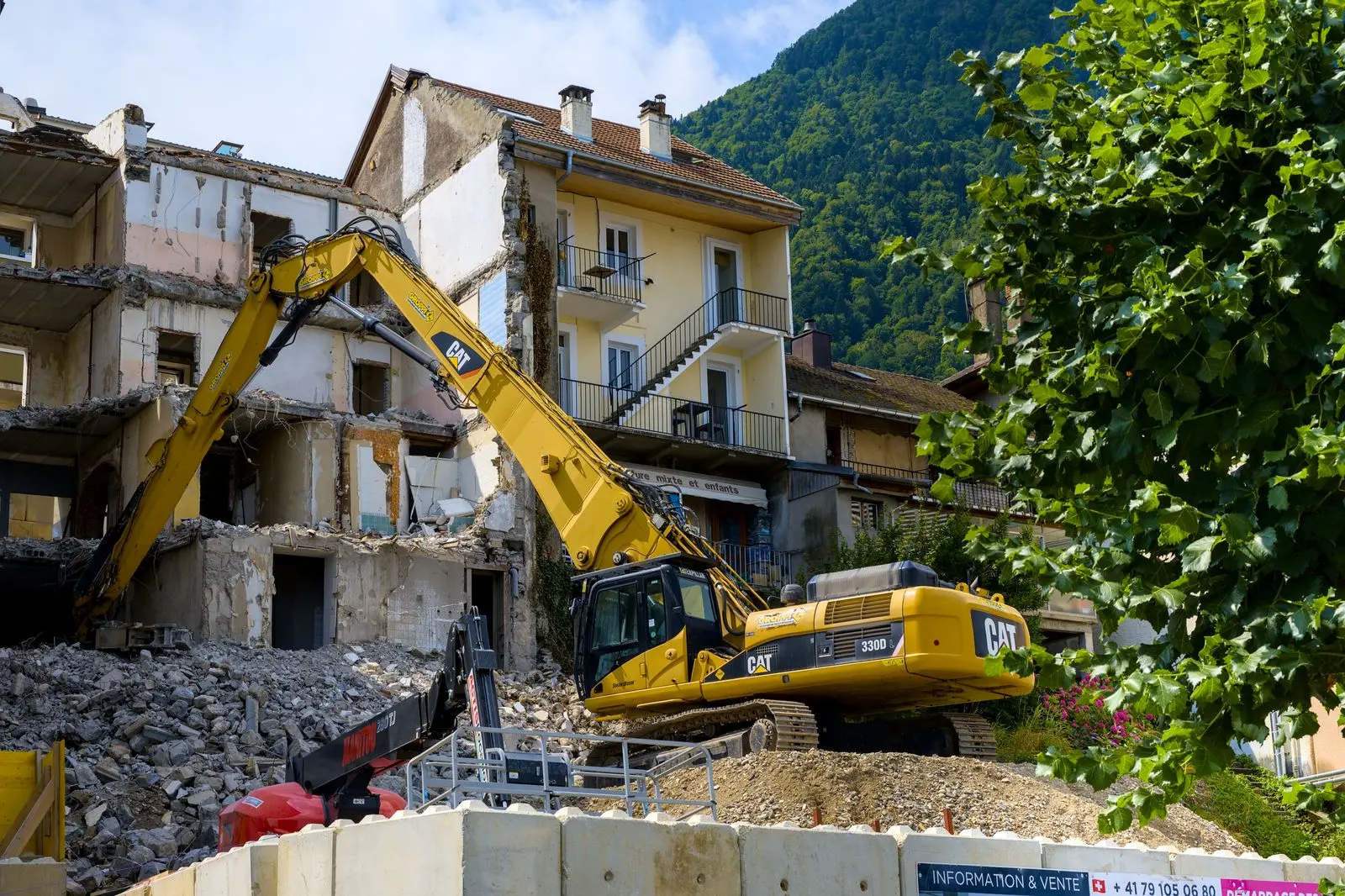
Large rural lots carry old barns, stables and workshops. Removing them means long driveways, septic and well locations to avoid, heavy timbers worth saving and permits from the Town rather than Palo Alto.

Know before you demolish
Since July 2020, Palo Alto has required most full structure removals to be deconstructed instead of demolished. A reuse group the city has approved inventories salvage before the permit is filed, salvage is removed by hand, everything else is source separated, and material weights are reported before final inspection. Every Palo Alto teardown we price is built around those steps.
Ask About Your Site
What a Palo Alto demolition includes
Every job starts with a walkthrough and a written scope. On a full teardown, the scope covers far more than knocking the building down, because Palo Alto expects a process, not just a result. We line up the pieces in the right order so the permit, surveys, abatement, utility work and our crew do not trip over each other.
On smaller jobs like a kitchen tear-out or a garage removal, the list is shorter, but the same idea holds: protect what stays, take out what goes, sort it and leave the site ready for the next trade.
How it works
Most of the time on a Palo Alto demolition is spent before our crew arrives. Surveys, permits and utility work have to be done in order. Here is how we move a job from first call to a clean lot.
01
We walk the building and lot, look at access, trees and neighbors, review your plans and write a scope and quote that assumes the city's deconstruction and recycling rules where they apply.
02
We help line up the salvage survey and asbestos survey, schedule any abatement, support your permit application and give you the list of utility disconnects to request from City of Palo Alto Utilities.
03
Salvage comes out first, then the structure and foundation, with every material sorted. We leave the lot graded and hand over weight tickets for the city's final report.
Palo Alto's houses span more than a century. Professorville and Old Palo Alto have shingle, craftsman and period revival houses from before World War II, with plaster walls and old-growth framing. Midtown, Palo Verde, Green Meadow and Duveneck/St. Francis are mostly 1950s ranches and Eichlers on slabs, many with radiant heat pipe in the concrete. The foothills have custom hillside homes, and commercial areas range from Research Park tilt-ups to older buildings downtown.
Permits in the city come from Development Services. Since July 2020, Palo Alto's Deconstruction and Construction Materials Management ordinance has required full structure removals to be deconstructed, with a salvage survey filed with the permit application, source-separated debris and a final weight report. Older houses may need historic screening first, and protected oaks, redwoods and street trees bring their own permits and fencing.
The Bay Area Air Quality Management District adds another layer. Its Regulation 11, Rule 2 requires an asbestos survey and advance notice before most demolition. When asbestos is found, a certified abatement contractor removes it under its own notice before our crew sets foot in the building. We coordinate that contractor; we do not do abatement ourselves.
Los Altos Hills, which we also serve, is a separate town with its own permits, PG&E service and septic systems on many lots. Palo Alto's deconstruction rule does not apply there, though state recycling rules do.
You will not find a price list here, because two Palo Alto jobs that look alike can cost very different amounts. Deconstruction is the biggest factor: hand dismantling takes more labor than a machine knockdown, and a house with a long salvage list takes longer to take apart. Sorted materials are usually cheaper to recycle than mixed debris, which offsets part of that.
After that, cost follows the building and the lot. Size, number of stories, plaster versus drywall, slab versus raised foundation or basement, and the asbestos survey results all matter. Access counts too: narrow side yards, steep foothill driveways, protected trees blocking the obvious equipment path and streets with no room for trucks all add time.
Extras like pool removal, long driveways, retaining walls, outbuildings and flood-zone grading add scope. We price from a walkthrough and the plans so you can see where the money goes before you commit.
Palo Alto service areas
Our crews cover the whole city, from Crescent Park and Old Palo Alto in the north to Palo Verde, Green Meadow and Barron Park in the south, up into the Palo Alto Hills and across the line into Los Altos Hills. Each area page covers the housing, lots and permit details that shape demolition there.
City of Palo Alto
Historic district of shingle and craftsman homes near downtown. Mostly interior and partial demolition under historic review.
Professorville demolition
City of Palo Alto
Homes from the 1920s to 1940s and some Eichlers around Rinconada Park. Teardowns, remodel tear-outs and garage removals for ADUs.
Community Center demolition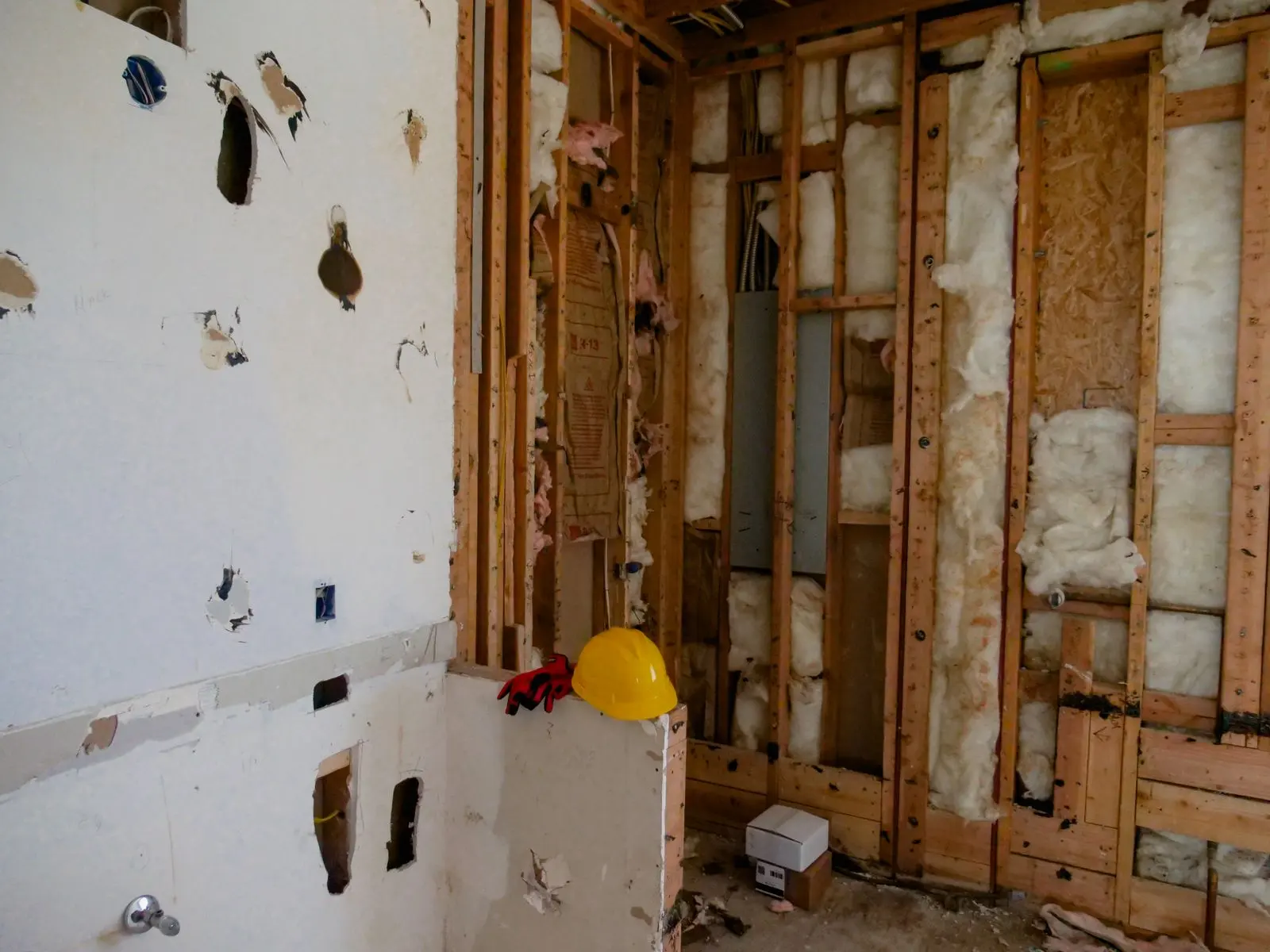
City of Palo Alto
1950s ranches and Eichlers plus the small commercial strip on Middlefield Road. House teardowns, remodel demo and shop strip-outs.
Midtown demolitionDemolition FAQs
Full structure removals generally have to be done as deconstruction under the city's ordinance, with a salvage survey, hand dismantling and sorted debris. Equipment is still used, mostly for foundations and slabs. Remodels and partial demolition follow the city's recycling rules without the full deconstruction process.
Inside city limits the utility is CPAU, the city-run provider, not PG&E. The owner requests disconnects, and we tell you which ones and in what order.
No. Our part is arranging the survey and booking a certified abatement firm to clear anything it finds before our crew starts. The air district must be notified before demolition.
Surveys, permits and abatement eat most of the calendar. After those, deconstruction of a typical house takes a few weeks on site, then foundation removal and grading.
Yes, and they usually must. We follow the arborist's plan, fence the root zones, and switch to hand tools when the work gets close to a trunk.
Yes. Permits there come from the Town of Los Altos Hills, PG&E provides power and gas, and many lots have septic systems. Palo Alto's deconstruction rule does not apply.
Yes. Most work there is interior and partial demolition under historic review. We work from approved plans and protect features that must stay.
Demolition quote
Fill in the quote form with the building, the lot and your timing. We call or email back within a day and book a walkthrough.