
Whole-house teardowns, Palo Alto
House Demolition in Palo Alto
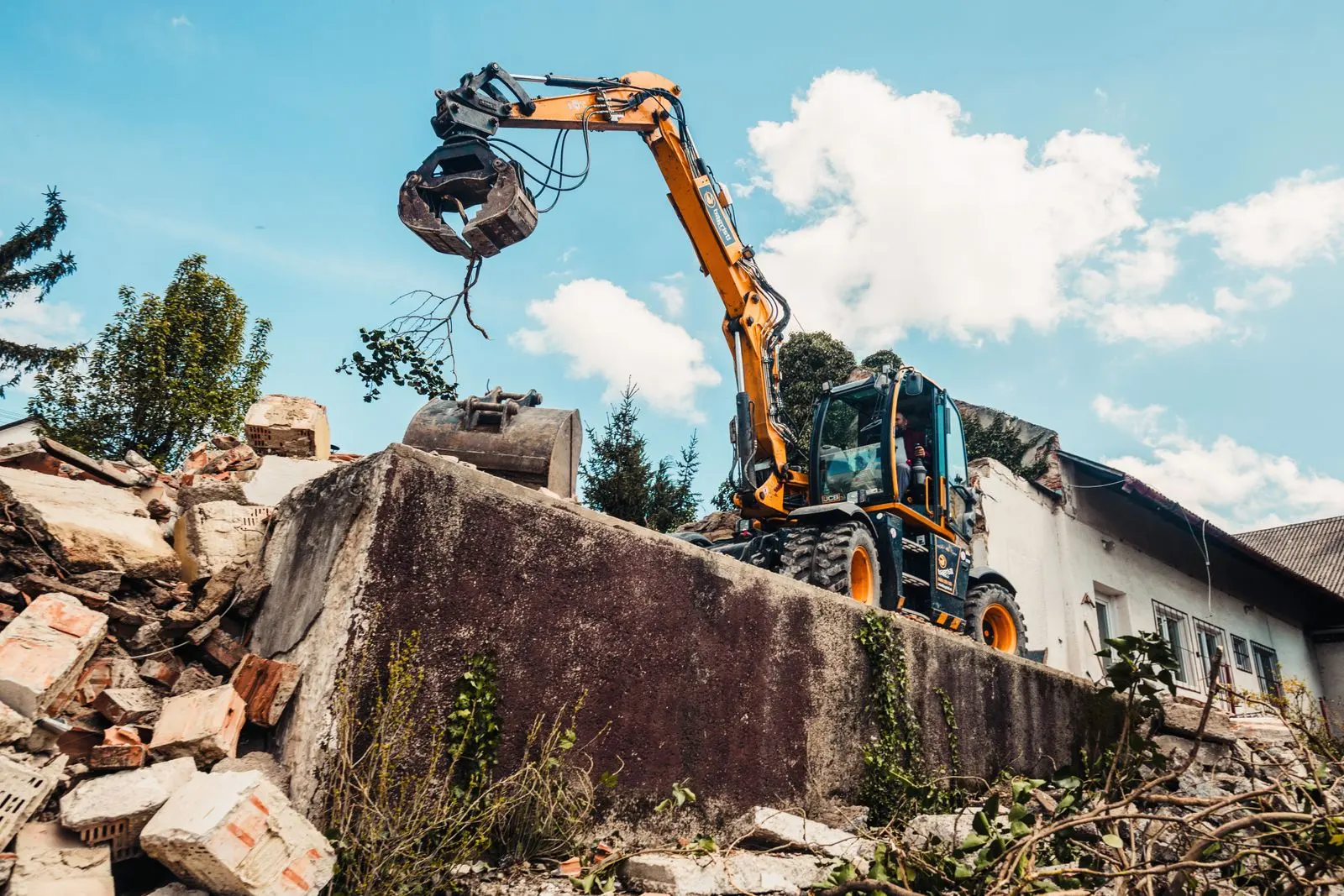
Taking a whole house down in Palo Alto is not a one-day excavator job. The city expects the building to be taken apart, salvaged and sorted, and we plan every teardown around that rule from the first site visit.
Why a Palo Alto House Teardown Is Really a Deconstruction Job
Palo Alto's Deconstruction and Construction Materials Management ordinance (Chapter 5.24 of the municipal code) has applied since mid-2020 to projects that remove a structure completely. In plain terms, the city no longer lets a crew knock a house flat and load the mess into one bin. The building is dismantled, reusable pieces are pulled out for reuse, and the rest is separated by material before it leaves the lot.
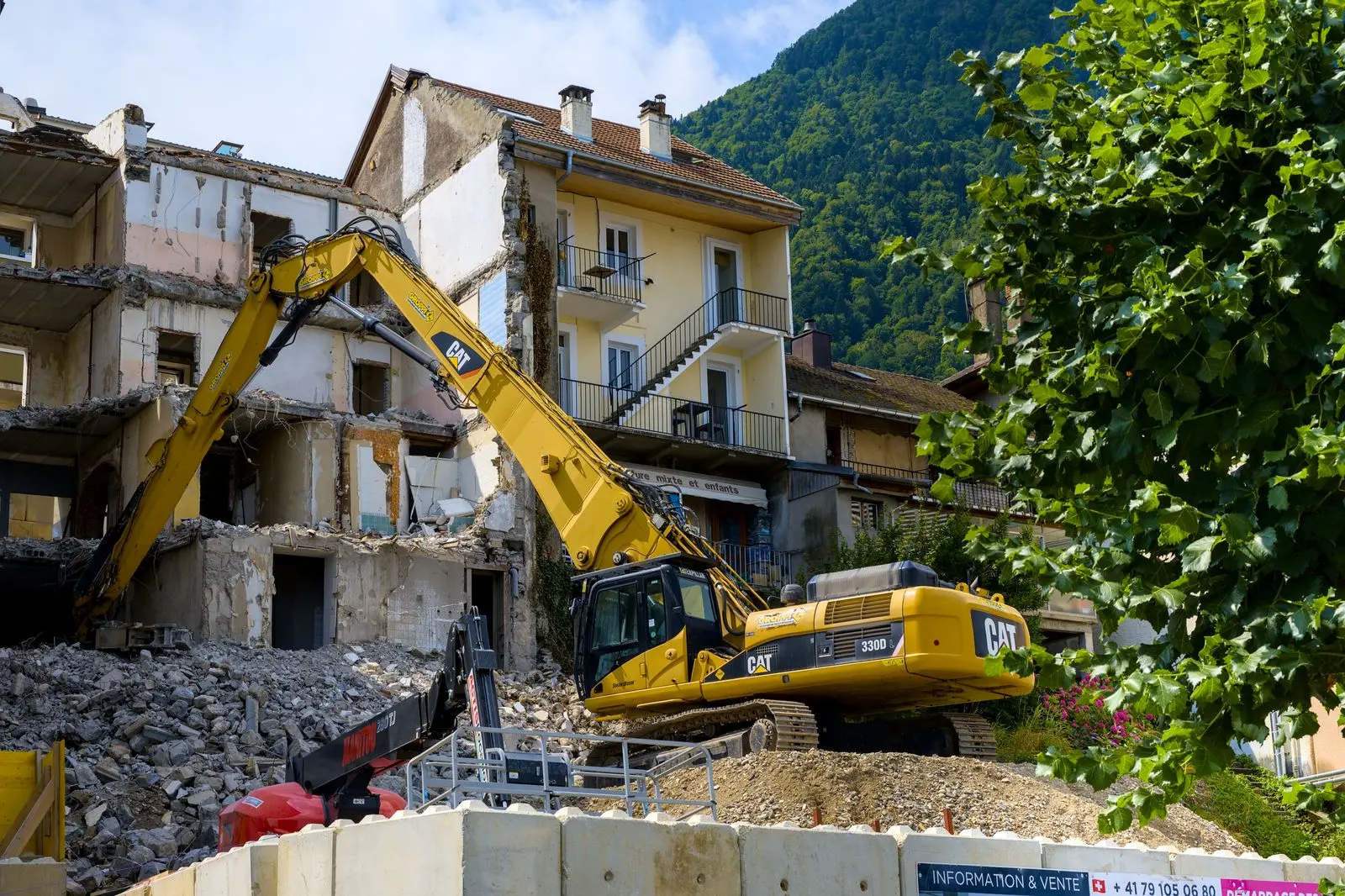
That changes the schedule and the budget. A conventional teardown in a neighboring city might take a few days of machine time. Here, a crew spends days on hand work first: doors, windows, cabinets, flooring, fixtures and framing lumber come out in order. Only after salvage is done does heavy equipment take the slab, footings and whatever is left that has no reuse value.
We have built our house demolition process around this, so you are not surprised by it after the permit is filed. When you request a quote, the estimate already assumes deconstruction, sorting and the paperwork the city wants at the end.
The Salvage Survey, Permit and Asbestos Steps Before a House Comes Down
The first document Palo Alto asks for is a salvage survey. A reuse organization approved by the city walks the house and lists what can be reused, with estimated weights. That survey goes in with the permit application to Development Services, so it has to happen early, often while the architect is still finishing drawings for the new house.
The Bay Area Air Quality Management District has its own rule. Under Regulation 11, Rule 2, an asbestos inspection of the house and a notice to the district both have to happen before the work. If the survey finds asbestos in popcorn ceilings, floor tile, duct wrap or roofing, an abatement contractor with the proper certification takes it out before anything else happens. We book that contractor and keep our crew off site until they are finished and cleared.
Older houses can also trigger historic screening. Palo Alto keeps an inventory of historic resources, and a house in Professorville or one of the older parts of town may need review before a full removal is approved. We check the parcel before anything is filed so the timeline is realistic.
Utility Disconnects Through City of Palo Alto Utilities
Palo Alto runs its own utility. City of Palo Alto Utilities, not PG&E, provides electric, gas, water and wastewater service inside the city, so every disconnect request for a teardown goes to CPAU. The gas meter has to be pulled and the electric service dropped before the building can be taken apart, and the sewer lateral usually has to be capped at the property line to the city's standard.
We tell you which requests to make and in what order, and we coordinate the dates with the salvage crew and the abatement contractor. If the lot is in Los Altos Hills instead, the utility is different and the water comes from a local district, which is one reason we confirm the address before writing a scope.
Trees, Neighbors and Work Hours on a Palo Alto Teardown
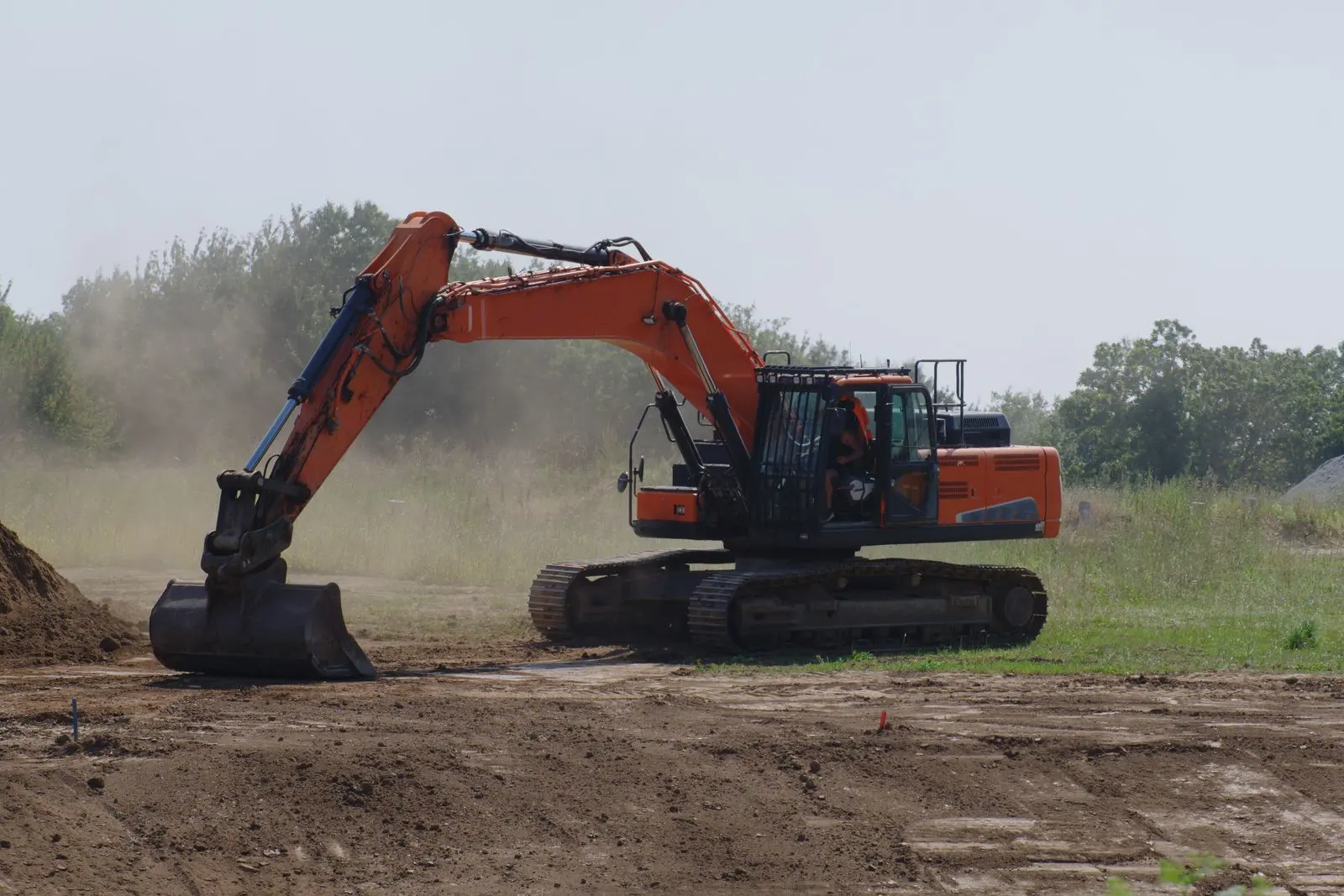
Palo Alto protects many of its trees, especially native oaks and redwoods, and the protection zone around a trunk can take up a big piece of a small lot. Fencing goes up before demolition starts, and an arborist report often sets where trucks can park and where a machine is not allowed to drive. On tight lots in Palo Verde or Midtown, this can decide whether a small excavator fits at all.
The city also limits construction noise to set daytime hours, with shorter hours on Saturdays and no noisy work on Sundays or holidays. We plan loud work like slab breaking inside those windows. Dust control is water on the work face and a cleaned street at the end of each day, because a lot of Palo Alto blocks have neighbors working from home who will notice.
Eichler Slabs, Basements and Old Foundations
Many Palo Alto teardowns are Eichlers. Their concrete slab has radiant heating pipe cast into it, and that slab and pipe both have to be broken out and hauled when the whole house is replaced. The tongue-and-groove roof decking and the beams, by contrast, are often worth salvaging, so they come down by hand.
In Old Palo Alto and Crescent Park, pre-war houses sometimes sit over partial basements with thick concrete walls. Removing those walls and backfilling the hole with compacted soil is part of the house demolition scope when the new design does not reuse them. We write the estimate so it is clear whether foundations stay or go.
What Our House Demolition Includes in Palo Alto
Salvage Survey Coordination for the Permit
We line up the city-approved reuse organization early so the survey is ready when your permit package goes to Development Services. Salvageable items are tagged on site and set aside for pickup before any machine work starts.
Hand Deconstruction and Material Sorting
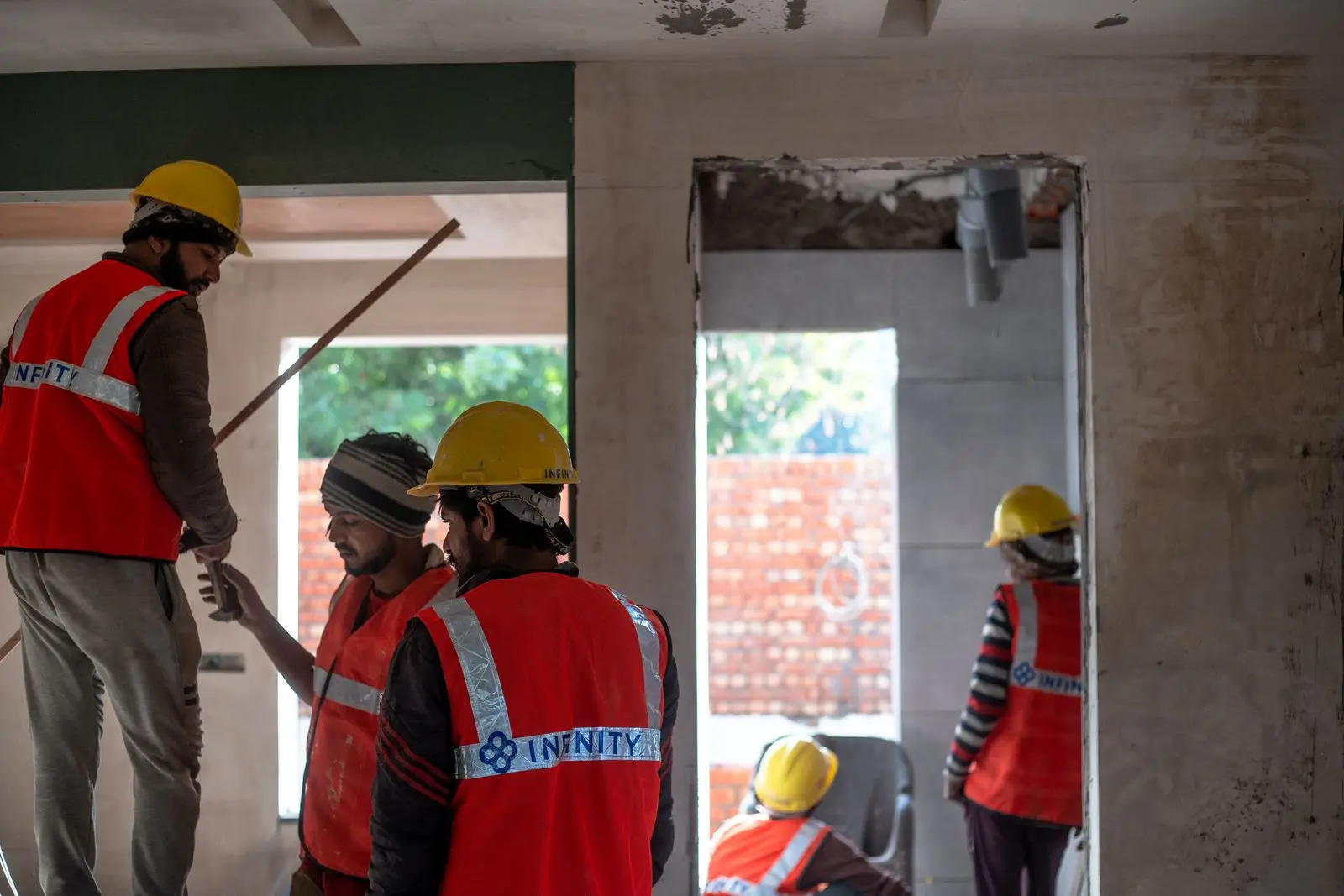
Our crew takes the house apart in a planned order, separating wood, metal, concrete, drywall and roofing as they come off. Sorted loads go to approved facilities, and we keep the weight tickets the city wants to see before final inspection.
Slab, Footing and Driveway Removal
Once salvage is complete, we break out the slab or foundation, footings, flatwork and old driveway as the new plans require. All broken concrete is trucked to a crushing yard and comes back into use as road base.
Clean, Graded Lot Ready for the Builder
The job ends with the lot rough graded, holes backfilled, erosion control in place when the season calls for it, and tree fencing left standing. Your builder gets a clean pad and the paperwork trail from the teardown.
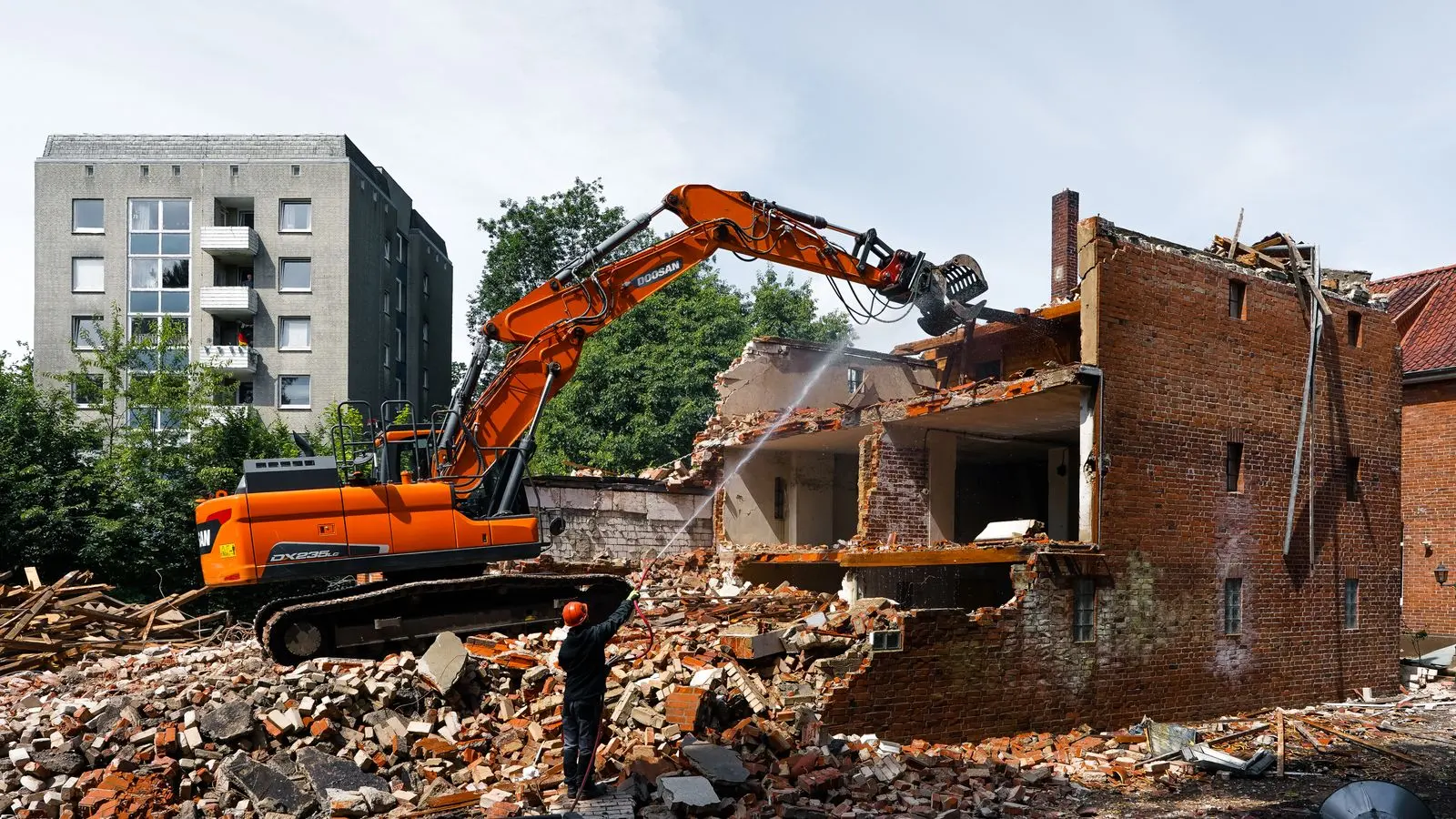
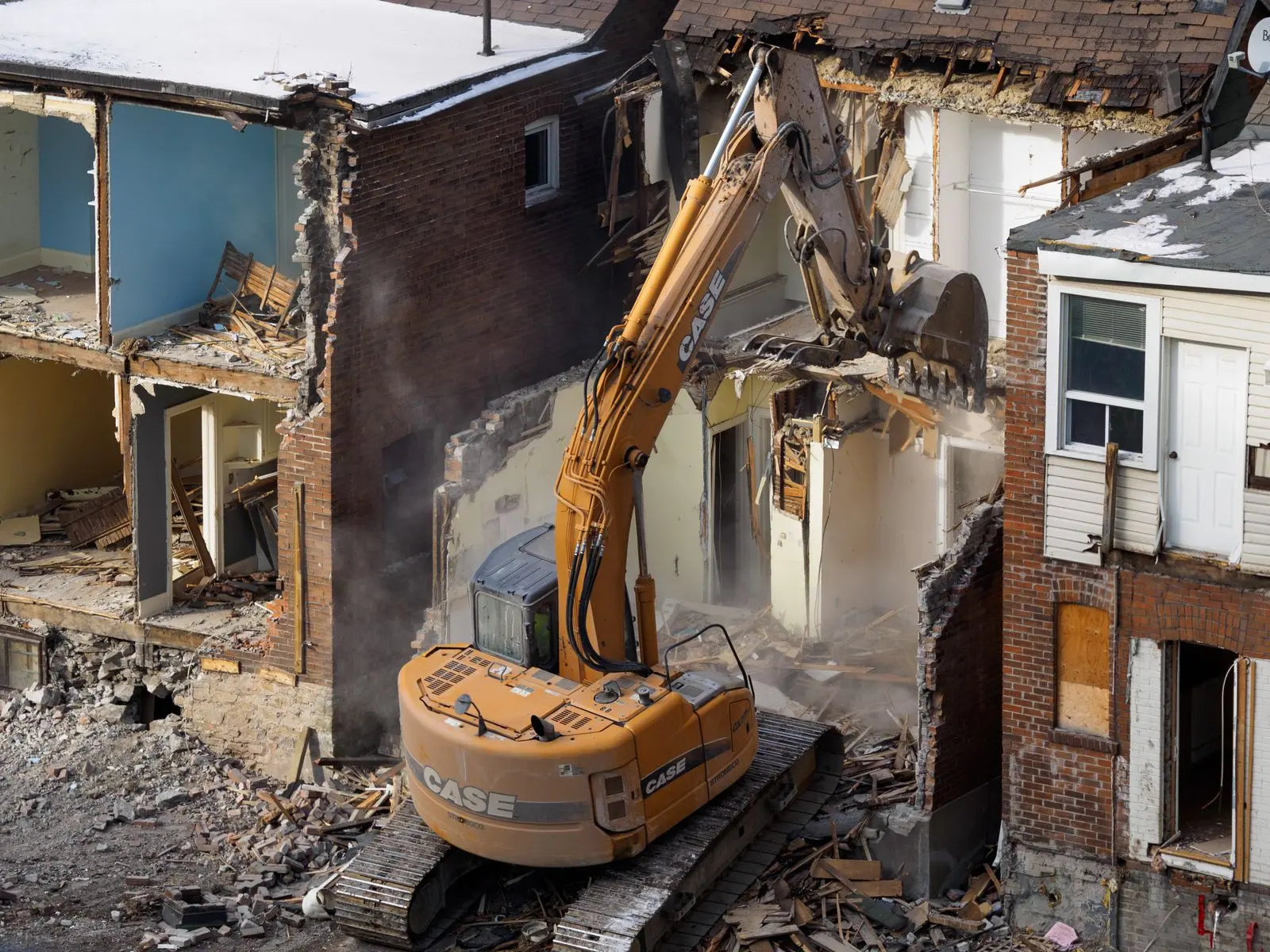
House Demolition: Job Site Photos
Demolition FAQs
House Demolition Questions in Palo Alto
Can I still demolish a house in Palo Alto, or does it have to be deconstructed?
For a full removal, the city's ordinance generally requires deconstruction: a salvage survey, hand dismantling of reusable materials and source-separated debris. Machines still do the heavy work at the end, mostly on the foundation. We confirm how the current rule applies to your project before the permit goes in.
What makes one Palo Alto teardown cost more than another?
The size of the house, how much salvageable material it has, the asbestos survey results, foundation type, lot access and tree protection zones all move the number. Deconstruction takes more labor hours than a straight knockdown, but sorted materials often cost less to dispose of.
How long does a Palo Alto house demolition take?
Expect the permits and surveys to outlast the work itself. Surveys, abatement, permit review and CPAU disconnects come first. On site, hand deconstruction of a typical single-family house runs a few weeks, then foundation removal and grading follow. We give you a schedule once we see the house.
Who shuts off power, gas and water before the teardown?
City of Palo Alto Utilities handles disconnects inside city limits. The owner usually submits the requests, and we tell you which ones are needed, what order to request them in, and we coordinate the dates with our crew.
Could my new Palo Alto house sit on the existing foundation?
Occasionally. If your engineer approves reusing it, we take the house down to the foundation and protect it. Most Palo Alto rebuilds replace it because of new loads, a basement or a different footprint.
Demolition quote
Get Your Palo Alto Teardown Priced
Tell us about the house, the lot and when your builder needs it cleared. Expect a reply by phone or email within a day so we can set up a walkthrough.
- Permits
- Demolition
- Haul-off