
Salvage-first building removal
Deconstruction and Salvage in Palo Alto
In Palo Alto, deconstruction is not a green add-on. For most whole-building removals it is the required method, and we price and schedule every teardown in the city as a deconstruction from day one.
Palo Alto's Deconstruction Ordinance in Plain Terms
The city adopted its Deconstruction and Construction Materials Management rules in Chapter 5.24 of the municipal code, and they took effect for permit applications filed from July 1, 2020. When a residential or commercial structure is being removed completely, the project has to be deconstructed, materials have to be salvaged for reuse where possible, and everything else has to be separated by type before it is hauled.
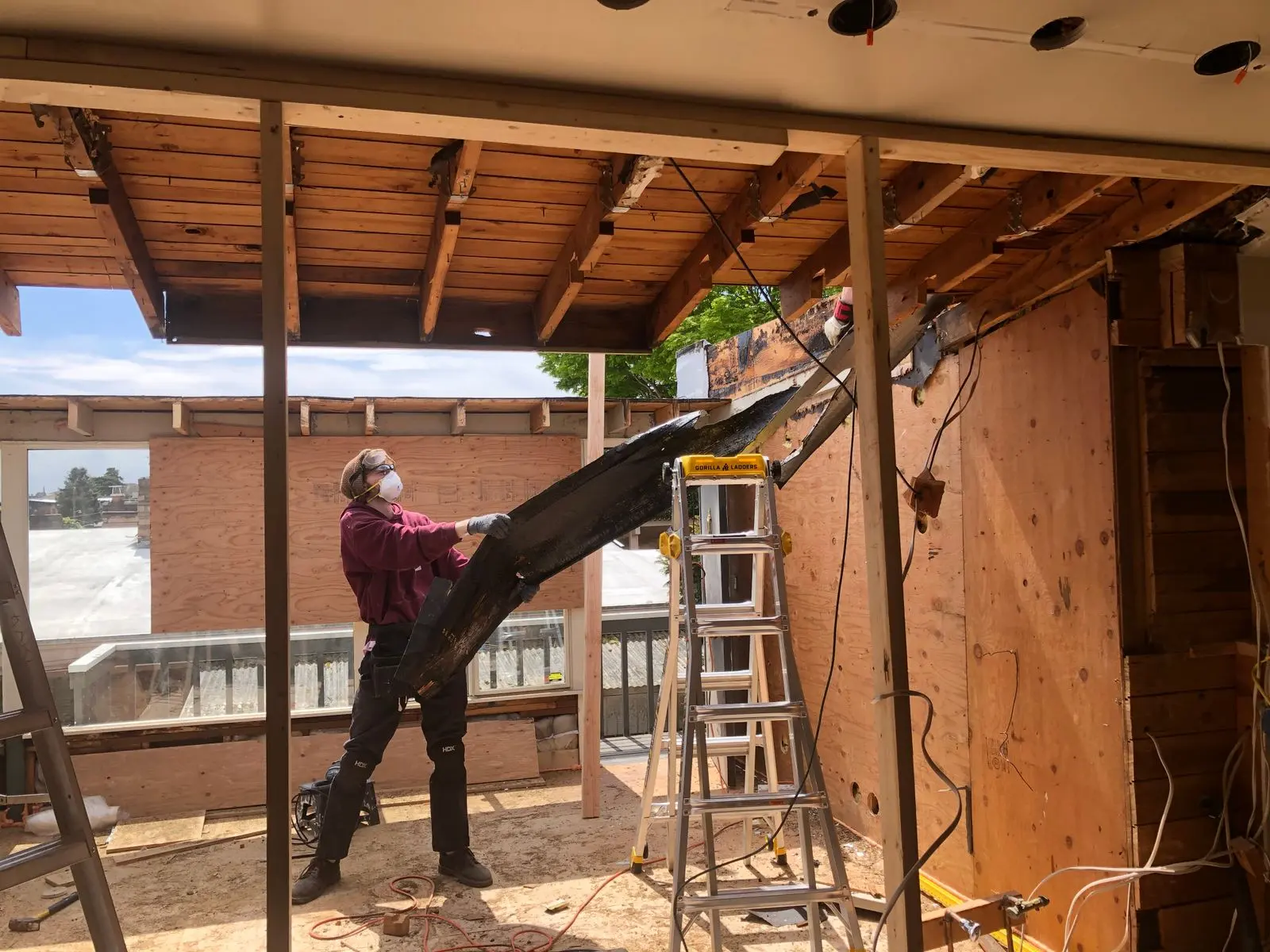
The practical result: no more flattening a building with an excavator and sorting nothing. The building is unbuilt in roughly the reverse order it went up. Interior finishes and fixtures come out, then roofing, then framing, and finally the foundation. Each stream goes to its own container or truck.
Rules get amended, and staff interpretations shift over time. We check the current requirements with the city's zero waste program at the start of each project instead of relying on what applied to the last one.
How the Salvage Survey Works Before the Permit
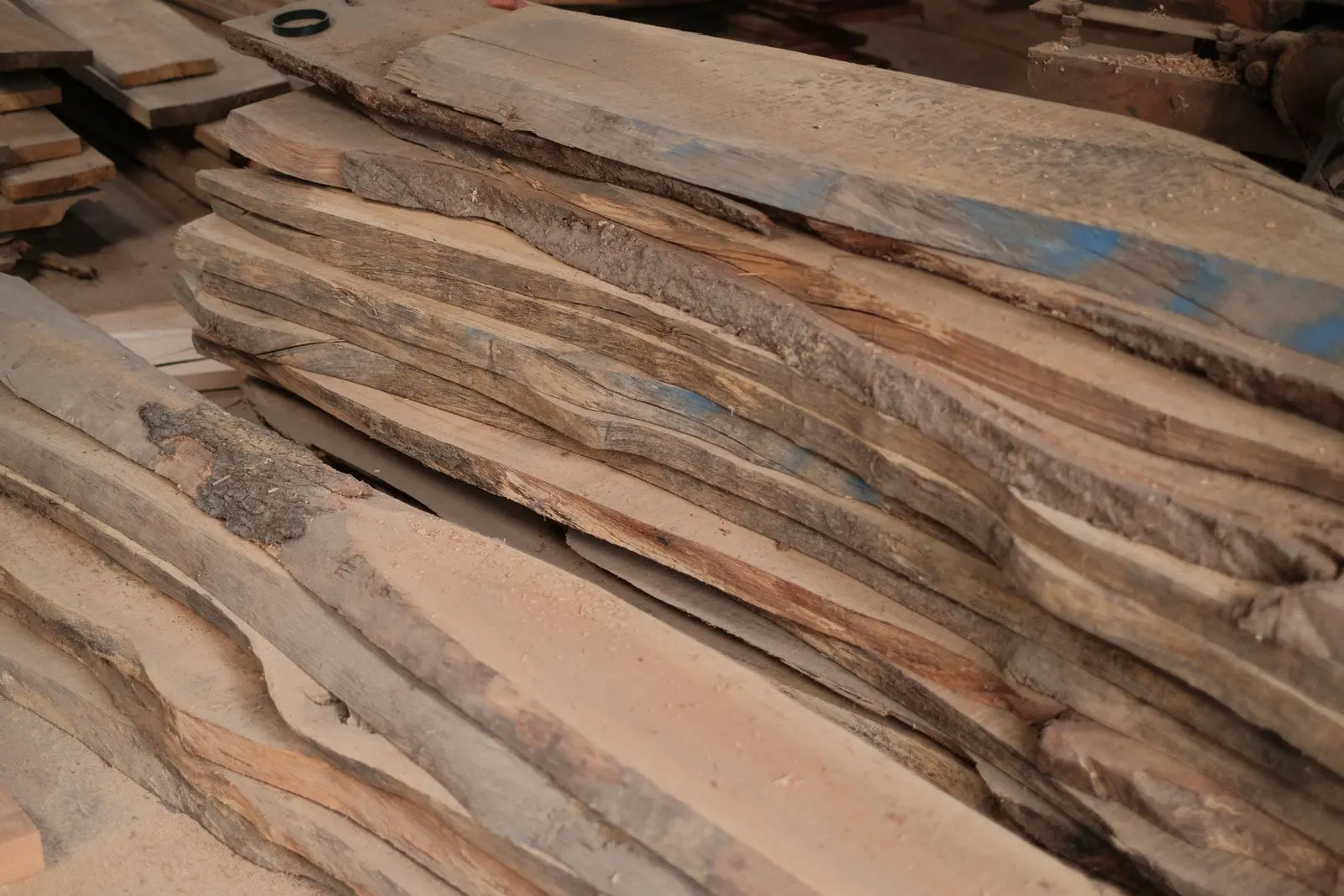
The process starts with a salvage survey done by a reuse organization the city has approved. The surveyor walks the building and itemizes what can be reused, such as doors, windows, cabinets, light fixtures, hardwood flooring, plumbing fixtures and dimensional lumber, along with estimated weights. The completed survey is part of the permit application, so it belongs early in the project calendar.
Once the permit is issued and the work is under way, the items on that survey have to actually reach a reuse outlet. Before final inspection, the owner or contractor submits certification that the listed items were salvaged, plus weights for all the other materials that came off the job. We keep the tickets and photos that make that reporting straightforward.
What Gets Salvaged From Palo Alto Houses and Buildings
Palo Alto's older housing stock gives a deconstruction crew a lot to work with. Pre-war houses in Old Palo Alto and Professorville often have old-growth redwood and Douglas fir framing that is denser than anything sold at a lumberyard today. Clear redwood siding, solid wood doors, divided-light windows and oak floors all have buyers in the reuse market.
Eichlers are different. The post-and-beam frames and tongue-and-groove roof decking can be reclaimed, as can globe lights, sliding glass doors and some original cabinets. The radiant slab cannot. In newer houses and commercial buildings, the salvage list leans toward appliances, fixtures, cabinets, metal and glass storefront.
Not everything listed survives removal in reusable condition, and that is expected. Our job is to take items out carefully enough that the reuse organization gets what was promised on the survey.
Source Separation, Hauling and Recycling Rules
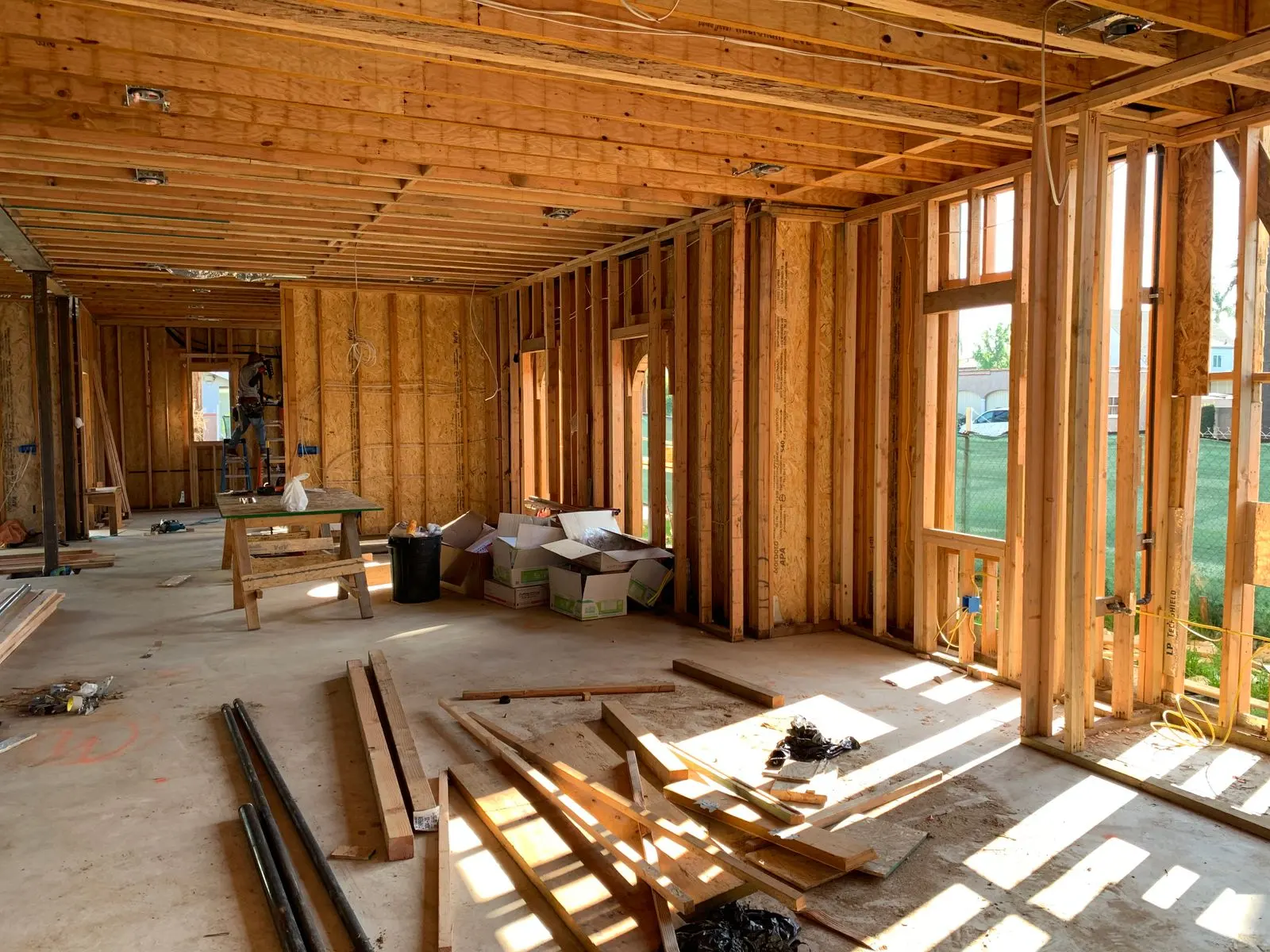
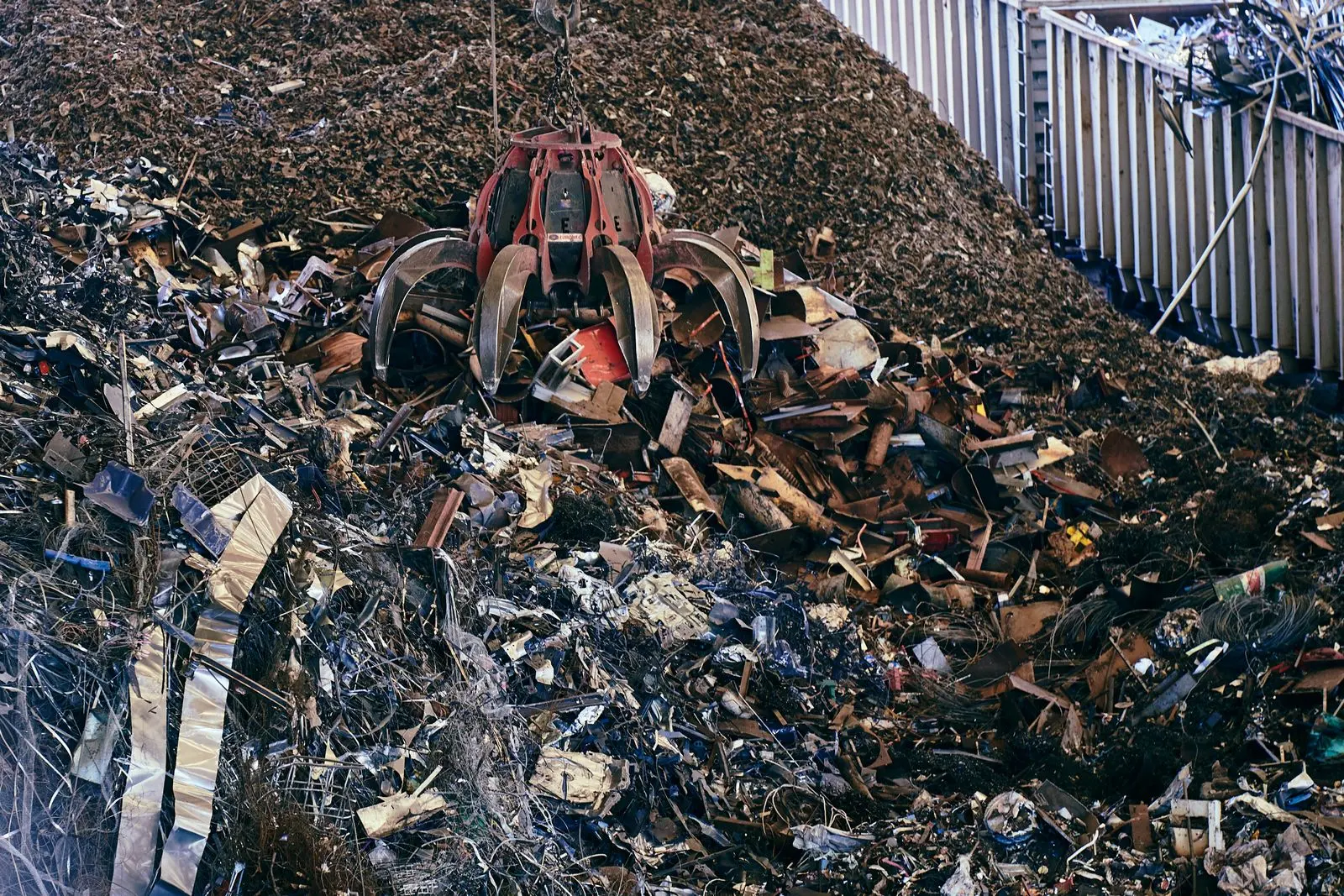
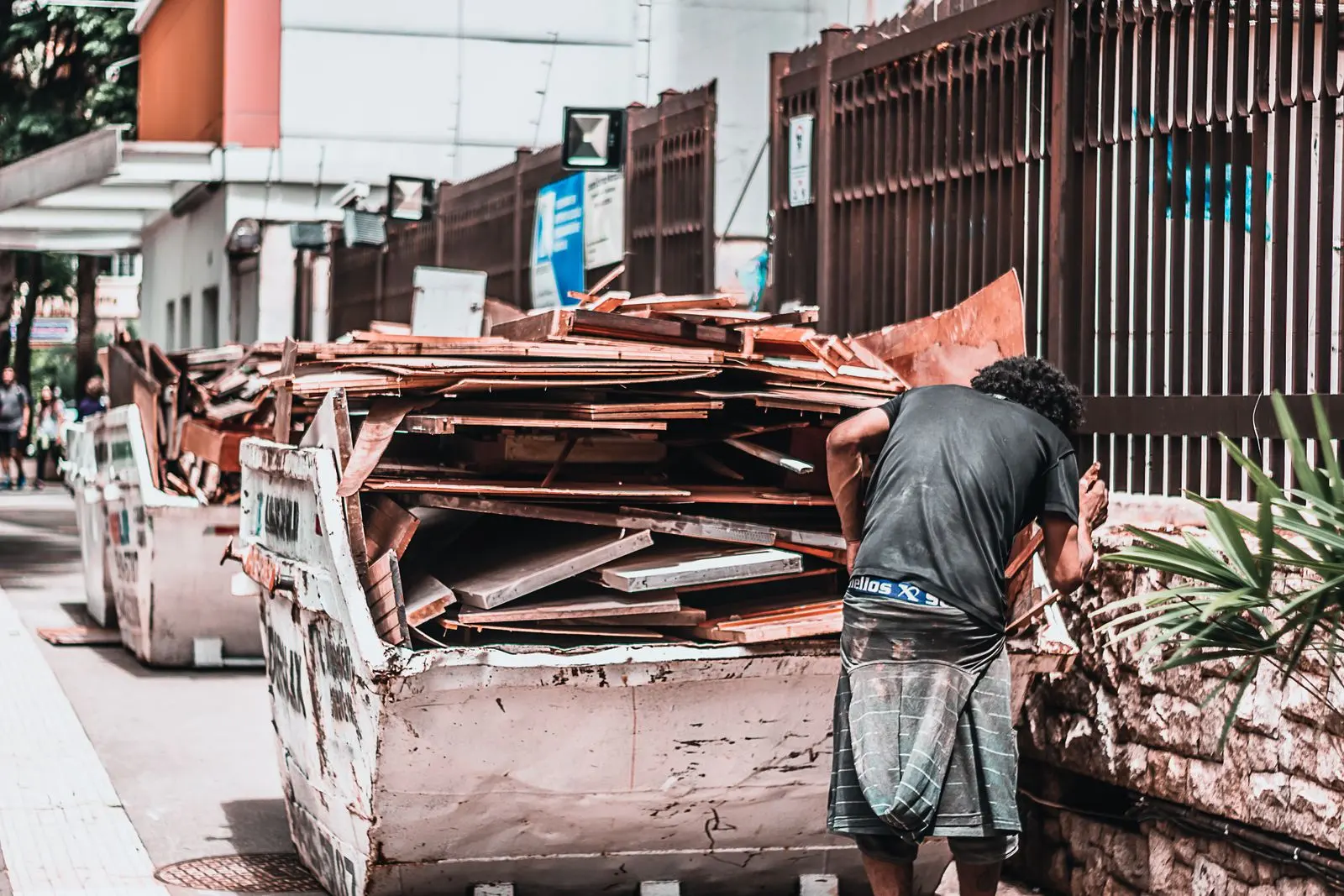
Materials that cannot be reused still have to be kept apart. A typical Palo Alto deconstruction job fills separate loads of clean wood, metal, concrete and masonry, drywall, roofing, cardboard and mixed residue. The city requires that recyclables go to approved processing facilities, and debris boxes placed on site have to come from the city's franchised hauler. Self-hauling in our own trucks is allowed when the loads are sorted and delivered to approved places.
This sorting also covers California's CALGreen construction waste rules, which already require diversion from landfill on permitted work. Separated loads tend to cost less to process than mixed debris, which offsets some of the extra labor that hand dismantling takes.
Deconstruction Timeline and Cost Drivers in Palo Alto
Deconstruction takes longer than a machine knockdown because people are doing the work by hand. Size, number of stories, roof type, the volume of salvage on the survey and the asbestos findings set the schedule. An abatement contractor clears any asbestos first, which the air district's demolition rules require, and we coordinate that handoff.
Cost follows labor. A house with a long salvage list and plaster walls takes more crew days than a small stucco ranch with little reusable inside. Access matters too: lots with protected trees, shared driveways or narrow frontage in Barron Park slow down loading. We price from a walkthrough, not from square footage alone.
What Our Deconstruction Service Covers in Palo Alto
Early Salvage Survey Scheduling
We contact an approved reuse organization as soon as you decide to remove the building, so the survey does not hold up the permit application. We walk the house with the surveyor when we can to agree on what is realistic to recover.
Careful Removal of Listed Salvage
Doors, windows, cabinets, flooring, fixtures and framing on the survey are removed with hand tools and staged for pickup. Pieces are protected from weather and kept separate from debris so the reuse outlet accepts them.
Sorted Debris Streams for Recycling
Wood, metal, concrete, drywall and roofing leave the lot in separate loads to approved facilities. Every load gets a weight ticket, and we organize them for the city's materials report before final inspection.
Foundation Removal and Final Grading
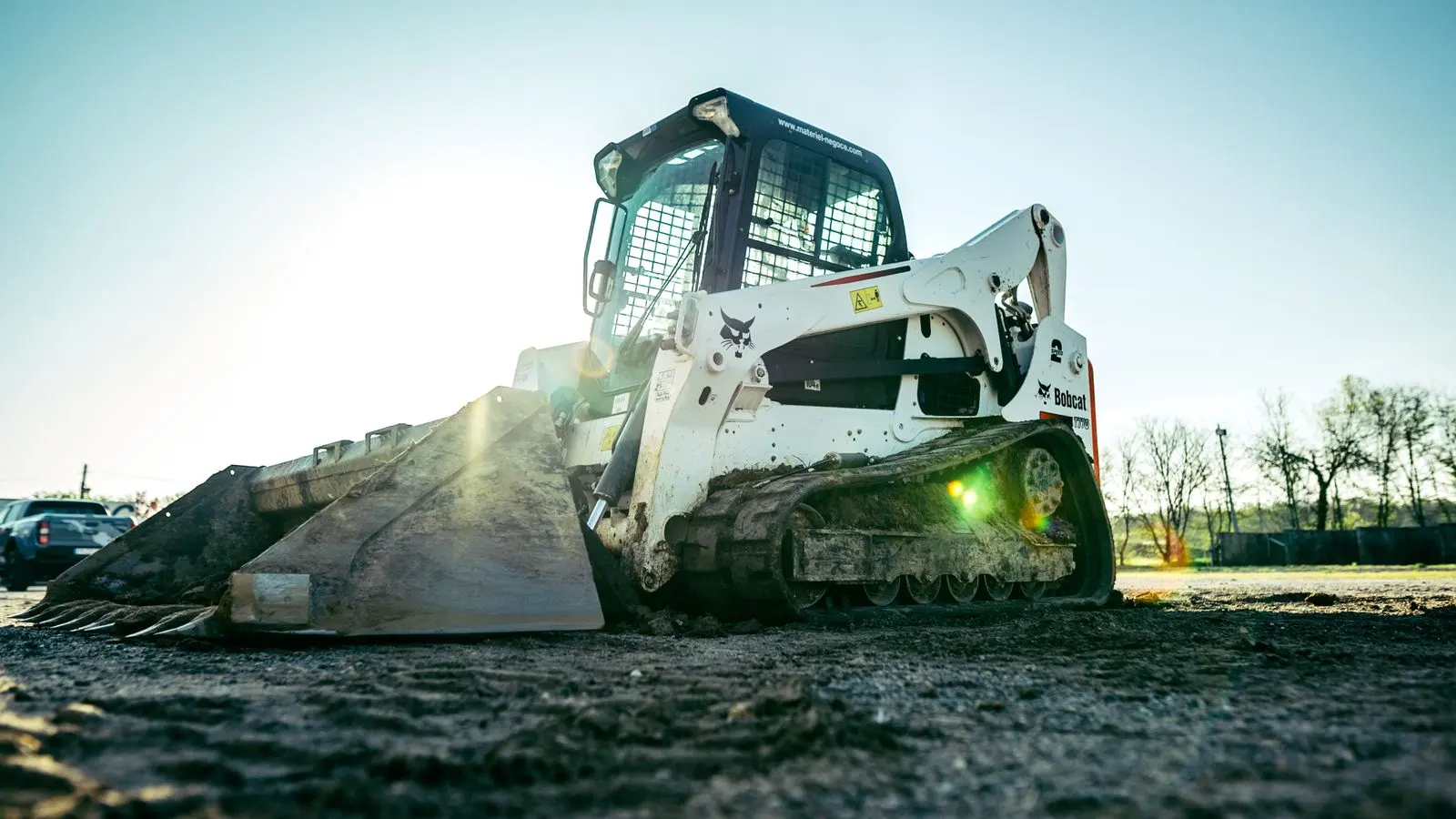
After the structure is down to the slab or footings, we bring in equipment to break and haul concrete for recycling, backfill basements and voids, and leave a rough-graded lot for the next builder.
Deconstruction: Job Site Photos
Deconstruction and Salvage Across Palo Alto
Demolition FAQs
Deconstruction Questions for Palo Alto Projects
Does Palo Alto's deconstruction rule apply to remodels?
The deconstruction and salvage requirement is aimed at projects that remove a structure completely. Remodels and partial demolition still have to follow the city's hauling and recycling rules and CALGreen, so debris is still sorted. We confirm with the city how your project is classified.
Who does the salvage survey?
A reuse organization approved by the City of Palo Alto. It lists reusable items and their estimated weights, and the survey has to be included with the permit application. We help schedule it and walk the building with the surveyor.
Does deconstructing cost more than a straight knockdown?
It usually takes more labor, so the field cost is higher than a straight knockdown would be. Sorted materials cost less to process than mixed debris, and some owners receive a donation receipt from the reuse organization. Ask your tax advisor whether that receipt helps you.
How long does deconstruction of a Palo Alto house take?
It depends on size, salvage volume and construction type. Hand dismantling of a typical single-family house takes a few weeks on site, after surveys, abatement and permits. We give you a schedule after the walkthrough.
Do you deconstruct buildings outside Palo Alto?
Yes. Owners in Los Altos Hills and other nearby towns sometimes choose deconstruction for salvage value even when it is not required. The process is the same, without the Palo Alto reporting step.
Demolition quote
Request a Deconstruction Quote in Palo Alto
Describe the building, its age and where your permit stands. A real person from our crew answers within a day, by phone or email, and can walk the property with you.
- Permits
- Demolition
- Haul-off