
Crescent Park rebuild demolition
Demolition Contractor in Crescent Park, Palo Alto
Crescent Park sits in the north corner of Palo Alto, bordered by San Francisquito Creek. Large lots and high-end rebuilds are common here, and so are flood-zone rules that shape how the old house comes out.
Crescent Park Teardowns Before a High-End Rebuild
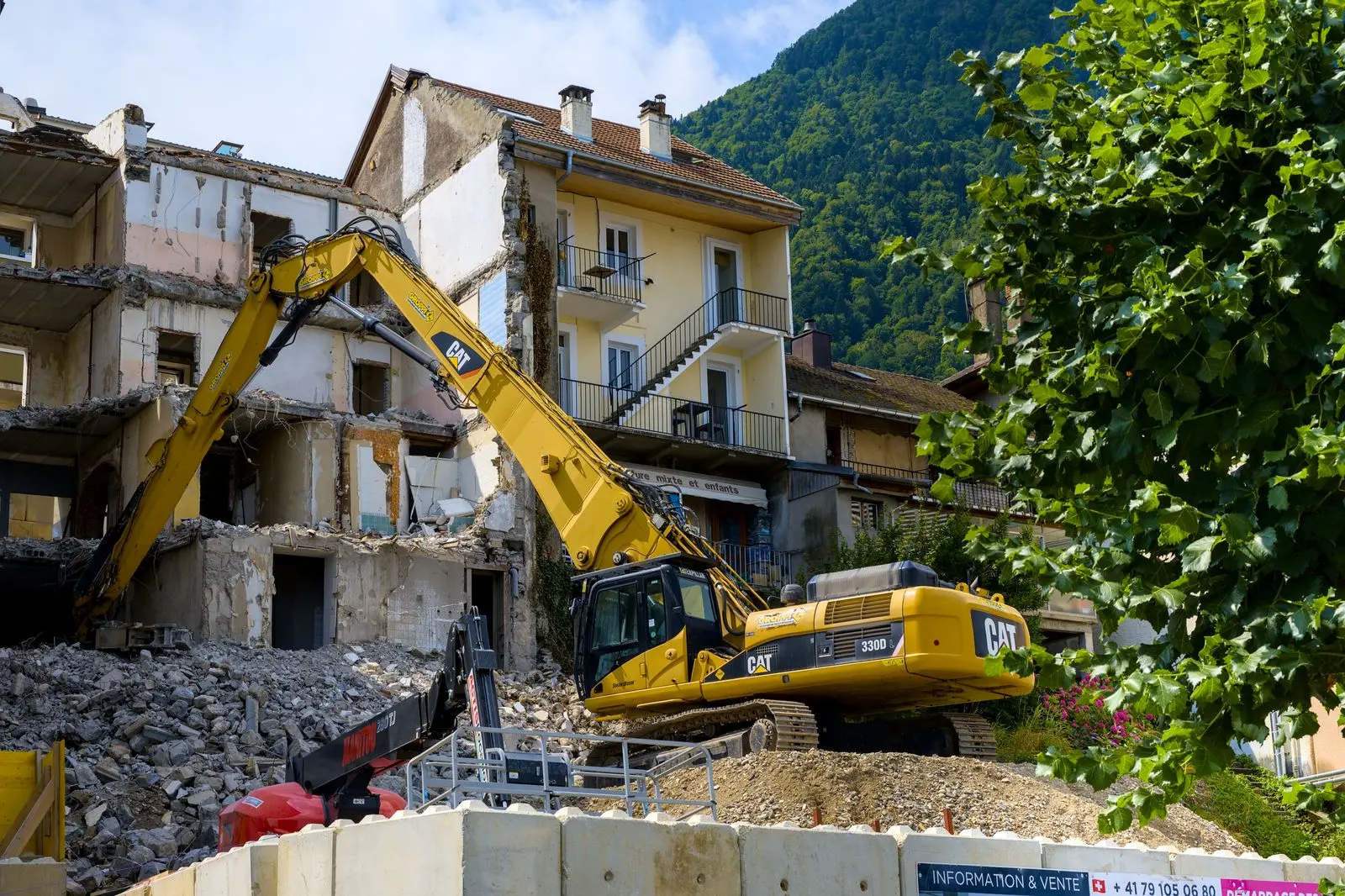
Crescent Park's curving streets, like Crescent Drive, Hamilton Avenue and the blocks near Chaucer Street, have some of the largest residential lots in Palo Alto. The original houses range from 1920s and 1930s period homes to post-war ranches. Many are being replaced with larger houses designed for the lot, which means a full removal of the existing structure.
Under Palo Alto's ordinance, that removal is a deconstruction. A city-approved reuse organization does a salvage survey before the permit application, and our crew pulls the listed items before the structure comes down. The rest of the house is separated by material for recycling.
Flood Zone Lots Along San Francisquito Creek
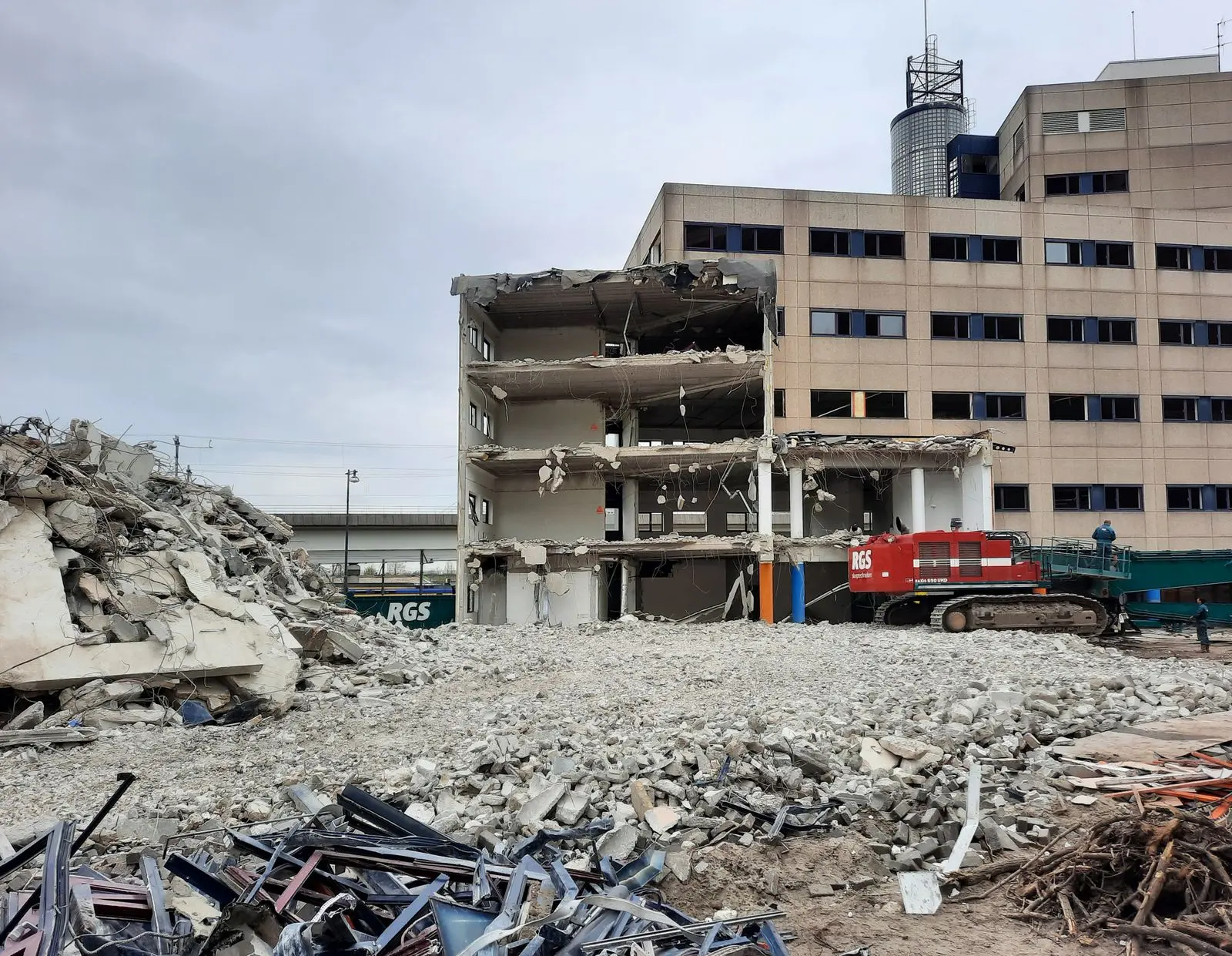
Parts of Crescent Park are in a FEMA flood hazard area because of San Francisquito Creek, which has overflowed in the past. New houses in the flood zone often need to raise their finished floor, which affects foundation design and grading. That can mean the old foundation and any basement come out completely, and the lot is regraded to new levels.
Lots that back onto the creek also have setbacks and protected riparian areas. Work near the creek bank can involve review by agencies that regulate creeks, and nothing from the demolition can be allowed to wash into the channel. We set up silt fencing and keep stockpiles well away from the bank.
Utilities, Trees and Neighbors in Crescent Park
As everywhere in Palo Alto, City of Palo Alto Utilities provides electric, gas, water and sewer, so all disconnect requests go to CPAU. We give you the list and the order. Large lots often have long service runs, old gas lines to outbuildings and irrigation systems that also need to be capped.
Mature oaks, redwoods and sycamores are common, and many are protected. The arborist's plan decides where equipment can travel. Crescent Park neighbors are close enough to notice dust, noise and trucks, so we water work areas, clean the street daily and keep loud work inside the city's construction hours.
Asbestos and Air District Rules for Crescent Park Houses
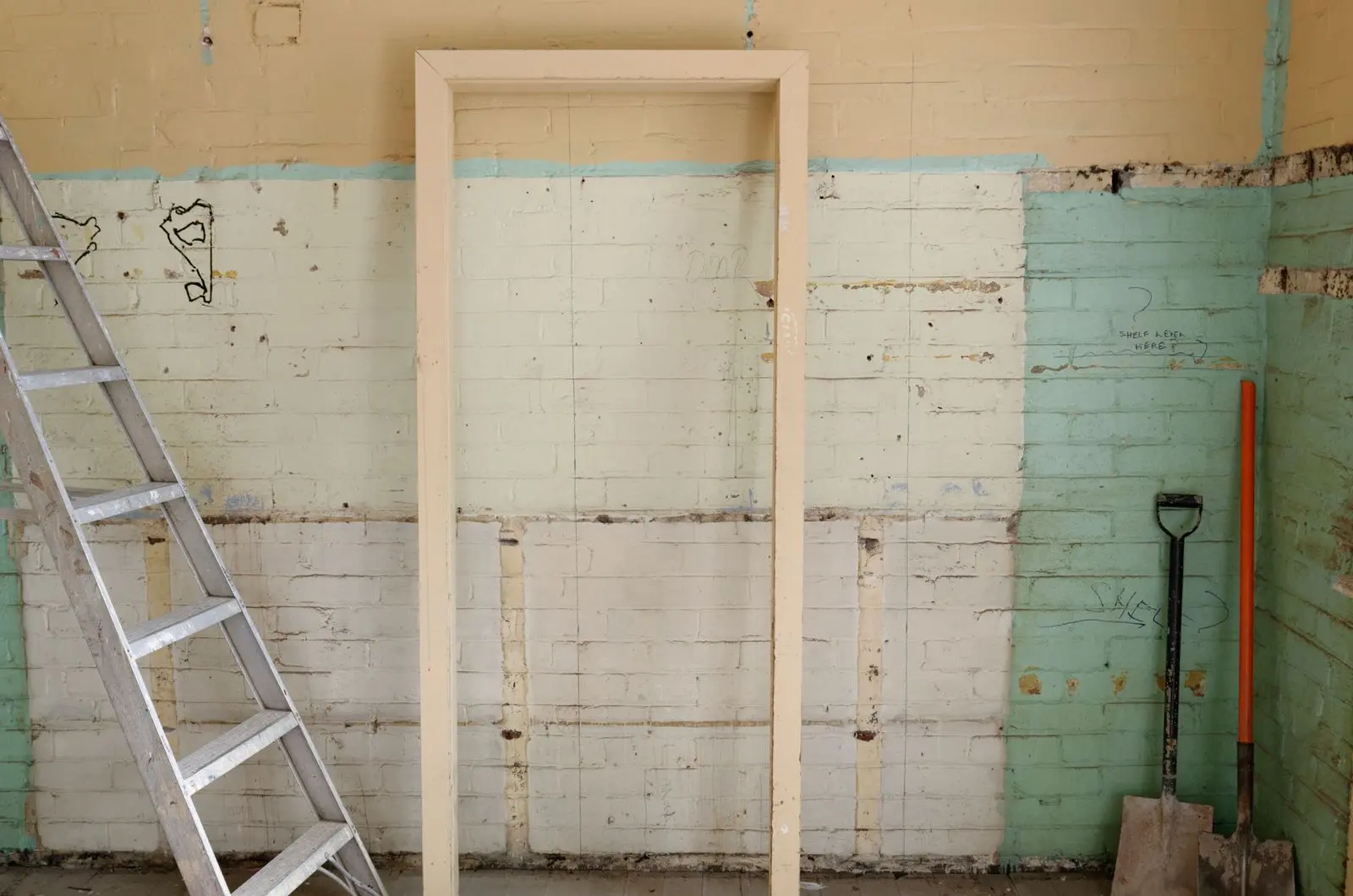
Houses from the 1920s through the 1970s commonly contain asbestos in flooring, ceilings, siding, roofing or pipe wrap. Sampling those materials is step one; a certified abatement firm then clears whatever tested positive, and deconstruction follows. The Bay Area Air Quality Management District requires notice before demolition, and we make sure the dates match the salvage and permit schedule.
Lead paint is assumed on older houses and handled with lead-safe practices during salvage and dismantling.
Crescent Park Demolition Cost Factors
Large lots mean large scopes. Costs here are driven by house size, the length of the salvage list, basement or foundation type, how much hardscape and landscaping comes out, and whether the lot is in the flood zone and has to be regraded. Pools, guest houses and long driveways add to it.
Big lots usually make access easier, which helps. Tree protection zones and creek setbacks can offset that by limiting where equipment can work. We price after a walkthrough and a look at the survey and plans.
Crescent Park Demolition Work We Do
Full House Deconstruction for Rebuilds
Salvage survey coordination, hand dismantling, sorted debris and weight reporting for the city, followed by foundation removal and grading to the new plan.
Flood-Zone Foundation Removal
Old foundations, crawlspaces and basements are removed so the new house can be built at the required elevation, with the lot regraded to plan.
Creek-Side Erosion Control During Demolition
Silt fencing, covered stockpiles and stabilized entrances keep soil and debris out of San Francisquito Creek during demolition and site work.
Pool and Outbuilding Removal
Pools, cabanas, garages and old guest houses on large Crescent Park lots are removed along with the main house or as separate projects.
Demolition services in Crescent Park
Demolition Services in Crescent Park
Demolition FAQs
Crescent Park Demolition FAQ
Does being in a flood zone change how a Crescent Park house is demolished?
It mostly changes what comes next. New houses may need raised floors, so the old foundation and basement usually come out completely and the lot is regraded. Work near the creek also needs erosion control.
Which agency signs off on a Crescent Park teardown?
Palo Alto's Development Services department issues it. Because it is a full removal, the deconstruction ordinance applies and the salvage survey goes in with the application.
Can you work near San Francisquito Creek?
Yes, with care. We keep stockpiles away from the bank, install silt fencing and check whether any creek agency review is required before work near the channel.
How long does a Crescent Park teardown take?
Surveys, abatement, permits and utility disconnects usually take longer than the field work. Deconstruction of a large house takes a few weeks on site, followed by foundation removal and grading.
Demolition quote
Get a Crescent Park Demolition Estimate
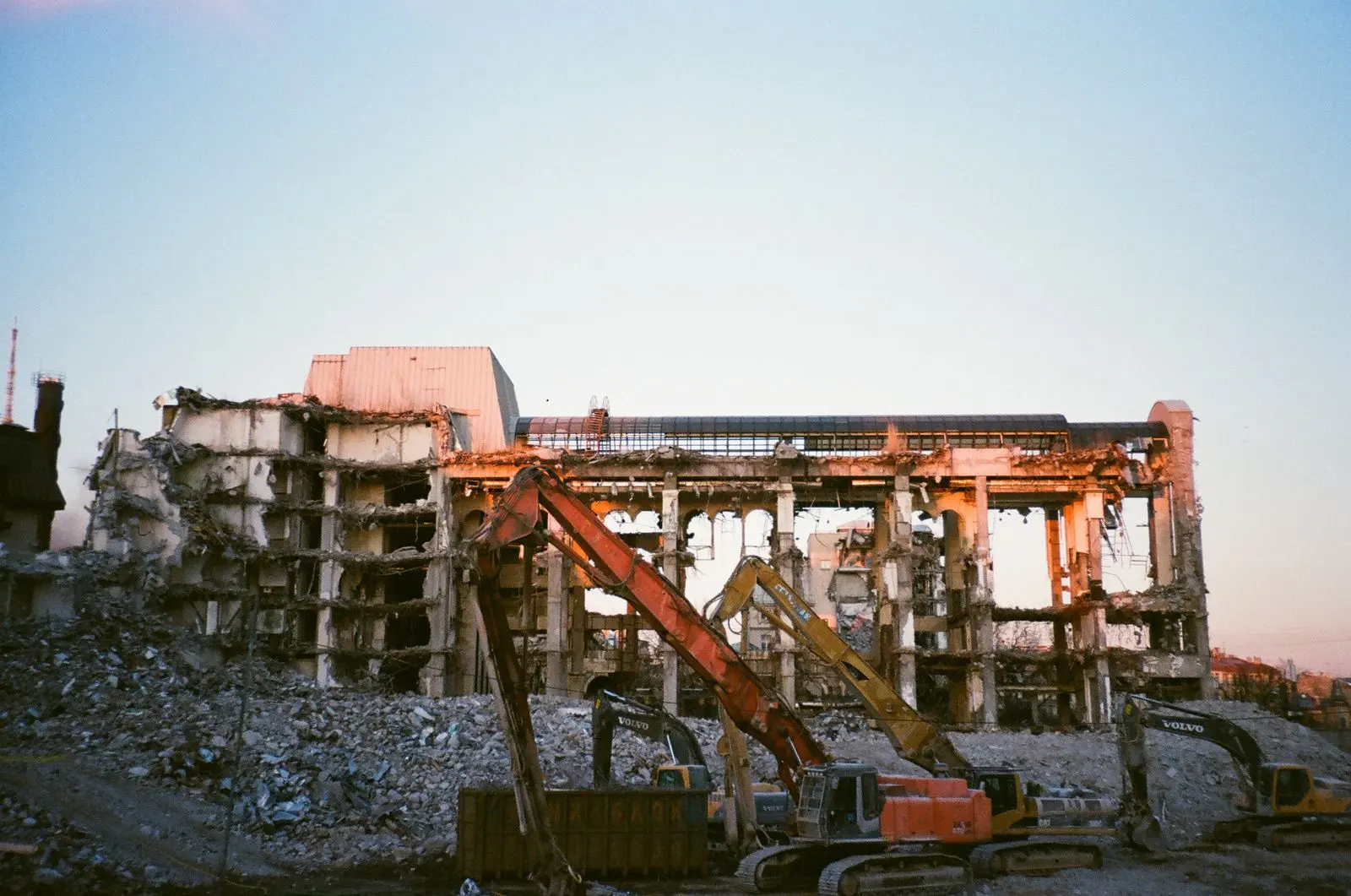
Share the address, the house size and whether the lot is in the flood zone if you know. Within 24 hours we respond about the creek-side details, by phone or email.
- Permits
- Demolition
- Haul-off